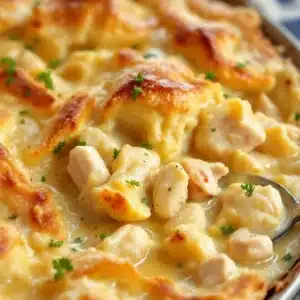
Third time in a week I’d made this pumpkin sourdough discard bread, and this time I finally figured out that the trick was letting the batter rest for fifteen minutes before it hit the pan. The first loaf came out dense—like a brick you could use for a doorstop—and the second one had that weird, gummy center that makes you wonder if you forgot an egg. But this third loaf? It rose beautifully, the top cracked in that rustic way bakeries charge extra for, and the crumb was so tender it practically fell apart under the butter knife. I stood there in my kitchen, eating a slice still warm, and I knew I wasn’t going to stop making this until I got it right. Actually, I wasn’t going to stop making it even after I got it right.
Here’s the thing about pumpkin sourdough discard recipes—they’re supposed to be easy, right? Use up that starter you’ve been feeding, add some pumpkin puree, and boom. But the first time I tried one, I ended up with a loaf that tasted more like wet cardboard than fall comfort. The pumpkin made the dough heavy, the sourdough tang got lost, and I was honestly mad about the wasted butter I’d softened for it. So I went back to the drawing board. I tweaked the liquid ratio, swapped the oil for butter, and added a pinch of cinnamon that made the whole kitchen smell like October. By loaf number three, I had something I actually wanted to write down.
This recipe isn’t about being fancy. It’s about using what you’ve got—discard starter you’d otherwise toss, a can of pumpkin you bought on a whim, and a craving for something that tastes like fall without taking all day. I’m not a professional baker, and I don’t own a Dutch oven or a proofing basket. I just wanted a loaf of bread that didn’t require a science degree or a trip to the specialty store. And honestly? This is that bread. It’s the kind of recipe you make on a rainy Tuesday because you need something warm and reliable, and it delivers every single time.
Why You’ll Love This Recipe
Let me tell you why this pumpkin sourdough discard bread has earned a permanent spot in my fall rotation. I’ve tested it enough times to know what works, and I promise you won’t be disappointed.
- Uses Up Your Discard: If you keep a sourdough starter, you know the struggle. You feed it, you have discard, and you don’t want to throw it away. This recipe uses a full cup of discard—no waste, no guilt.
- Simple Ingredients: No weird flours or hard-to-find spices. You probably have everything in your pantry right now, minus the pumpkin puree maybe. But that’s one can, and it’s worth it.
- Perfect for Fall Mornings: Slather this with butter and a drizzle of honey, and you’ve got breakfast. Toast it for a quick snack. It’s versatile like that.
- Beginner-Friendly: I’m not a bread expert. I’ve had my share of flat loaves and burnt crusts. But this recipe is forgiving. It doesn’t require kneading or fancy shaping—just mix, pour, and bake.
- That Texture, Though: The inside is soft and tender, almost cake-like, while the outside gets a nice, golden crust. It’s the best of both worlds, and it stays moist for days.
What makes this recipe different from the other pumpkin breads out there? It’s the sourdough tang. Most pumpkin breads are sweet and one-note, but the discard adds a subtle, savory depth that balances the pumpkin and spices. It’s not overpowering—just enough to make you wonder why you haven’t been adding sourdough to everything. Plus, this loaf comes together in about 10 minutes of active work. The oven does the rest. You can clean up, make coffee, or just sit down while your kitchen fills with that incredible pumpkin-cinnamon smell.
This isn’t just another quick bread. It’s the one you’ll make for Thanksgiving brunch, for neighbors dropping by, or for yourself on a quiet Sunday. It’s the kind of bread that makes you feel like you’ve got it together, even if you’re still in your pajamas at noon.
What Ingredients You Will Need
This recipe uses simple, wholesome ingredients to deliver that perfect fall flavor without any fuss. Most of these are pantry staples, so you probably won’t need a special trip to the store.
- 1 cup (240g) pumpkin puree: Make sure it’s 100% pure pumpkin, not pumpkin pie filling. I like Libby’s for consistency, but any brand works. If you’re feeling ambitious, you can roast your own pumpkin—just blend it smooth afterward.
- 1 cup (240g) sourdough discard: Straight from the fridge is fine. No need to feed it first. This is the star of the show, so don’t skip it. If your discard is super thick, you might need to loosen it with a tablespoon of water.
- 2 large eggs: Room temperature is best—they mix more evenly. If you forgot to take them out, place them in a bowl of warm water for 5 minutes.
- 1/2 cup (120ml) melted butter: Unsalted, so you control the salt. You can also use coconut oil for a dairy-free version, but butter gives the best flavor.
- 1/2 cup (100g) brown sugar: Packed. Light or dark works, but dark adds more molasses depth. If you’re out, you can use white sugar plus a tablespoon of maple syrup.
- 1/4 cup (50g) granulated sugar: Just a bit for sweetness balance. You can reduce this if you prefer less sweet bread.
- 1 1/2 cups (190g) all-purpose flour: Spoon and level it—don’t scoop directly from the bag or you’ll end up with too much. Bread flour works too, but the crumb will be slightly denser.
- 1 teaspoon baking soda: Make sure it’s fresh. If it doesn’t fizz when you add vinegar, get a new box.
- 1/2 teaspoon baking powder: For a little extra lift. Aluminum-free if you can find it.
- 1/2 teaspoon salt: Fine sea salt or table salt. Don’t skip it—it balances the sweetness.
- 2 teaspoons pumpkin pie spice: Homemade or store-bought. If you’re making your own, mix 1 teaspoon cinnamon, 1/2 teaspoon ginger, 1/4 teaspoon nutmeg, and 1/4 teaspoon cloves.
- 1 teaspoon cinnamon: Because you can never have too much cinnamon in fall baking.
- Optional: 1/2 cup (60g) chopped pecans or walnuts: Adds a nice crunch. Toast them first for extra flavor.
- Optional: 1/3 cup (50g) chocolate chips: Dark chocolate works beautifully with the pumpkin and spice.
For the pumpkin puree, I’ve found that draining off any excess liquid helps prevent a soggy loaf. Just press it through a fine-mesh strainer or let it sit in a paper towel-lined bowl for a few minutes. It’s a small step, but it makes a difference. If you’re using homemade pumpkin, it tends to be more watery than canned, so definitely drain it.
The sourdough discard is the magic here. It adds a subtle tang that cuts through the sweetness and makes the bread taste more complex. I’ve used discard that was a week old and discard that was fed the day before—both worked fine. The older the discard, the more pronounced the tang. If your discard is very active and bubbly, your bread might rise a bit more, but it’ll still taste great.
Equipment Needed
You don’t need a professional bakery setup for this recipe. Just a few basic tools you probably already own.
- 9×5-inch loaf pan: Standard size. If you use a glass pan, reduce the oven temperature by 25°F to prevent over-browning.
- Parchment paper: Lining the pan makes removal a breeze. No scraping, no sticking.
- Large mixing bowl: For the wet ingredients and dry ingredients. Any bowl works—I use a ceramic one because it’s heavy and doesn’t slide around.
- Medium bowl: For whisking the dry ingredients together.
- Whisk: For the wet ingredients. A fork works in a pinch, but a whisk gives you a smoother batter.
- Rubber spatula: For folding the dry ingredients into the wet. Don’t overmix—use a gentle hand.
- Cooling rack: Essential for even cooling. If you don’t have one, you can use the stovetop grates, just make sure they’re clean.
- Measuring cups and spoons: Accurate measurements matter in baking. I prefer metal measuring cups for dry ingredients and glass for liquids.
- Toothpick or skewer: For testing doneness. A cake tester works too.
If you don’t have a loaf pan, you can bake this in an 8×8 square pan—just reduce the baking time by about 10 minutes and watch it closely. Muffin tins work too; fill them 3/4 full and bake for 18-22 minutes. I’ve done both, and they’re equally delicious. The loaf shape just feels more satisfying to slice.
Preparation Method
Preheat your oven to 350°F (175°C). Line a 9×5-inch loaf pan with parchment paper, leaving some overhang on the long sides. This makes lifting the bread out so much easier—trust me, you don’t want to wrestle with a stuck loaf.
- Mix the wet ingredients: In a large bowl, whisk together the pumpkin puree, sourdough discard, eggs, melted butter, brown sugar, and granulated sugar. Whisk until smooth and well combined. It should look like a thick, orange batter at this point. If your discard was cold from the fridge, the butter might seize up a bit—don’t worry, it’ll come together as you whisk.
- Combine the dry ingredients: In a separate medium bowl, whisk together the flour, baking soda, baking powder, salt, pumpkin pie spice, and cinnamon. Whisking aerates the flour and distributes the leavening agents evenly. If you’re adding nuts or chocolate chips, stir them into the flour mixture now—this prevents them from sinking to the bottom of the loaf.
- Combine wet and dry: Pour the dry ingredients into the wet mixture. Use a rubber spatula to fold everything together gently. Stir just until you don’t see any more streaks of flour. A few lumps are okay—overmixing will make the bread tough. The batter should be thick but scoopable, like a muffin batter.
- Rest the batter: Here’s the trick I learned. Let the batter rest in the pan for 15 minutes before baking. This gives the flour time to hydrate and the sourdough a chance to do its thing. The result is a more tender crumb and a better rise. I know it’s tempting to rush, but this step is worth the wait.
- Bake: Place the pan on the middle rack and bake for 50-60 minutes. At the 30-minute mark, check the top—if it’s browning too quickly, tent it loosely with aluminum foil. The bread is done when a toothpick inserted into the center comes out clean or with just a few moist crumbs. If it’s still wet, give it another 5 minutes and check again.
- Cool: Let the bread cool in the pan for 10 minutes. Then lift it out using the parchment paper and transfer it to a wire rack. Let it cool completely before slicing—at least 1 hour. I know the smell is intoxicating, but cutting into it too soon will give you a gummy, crumbly mess. Resist the urge.
One thing I learned the hard way: don’t open the oven door during the first 30 minutes of baking. The temperature drop can cause the bread to sink in the middle. Just let it do its thing. If you’re nervous, you can peek through the oven window, but that’s it.
For the best results, use room temperature ingredients. Cold eggs and butter can make the batter seize up and lead to uneven baking. If you’re in a hurry, you can warm the eggs in a bowl of warm water for 5 minutes and microwave the butter in short bursts until just melted.
Cooking Tips & Techniques
I’ve made this pumpkin sourdough discard bread enough times to have a few tricks up my sleeve. Here’s what I’ve learned so you don’t have to repeat my mistakes.
Don’t skip the rest time. I mentioned this earlier, but it’s worth repeating. That 15-minute rest allows the sourdough to activate slightly and the gluten to relax. The result is a softer, more tender loaf. I’ve tested it both ways, and the rested version is noticeably better.
Watch your oven temperature. Every oven runs differently. If your bread is browning too fast on the outside but still raw inside, your oven might be running hot. Invest in an oven thermometer—they’re cheap and save you a lot of frustration. If you don’t have one, reduce the temperature to 325°F and bake a little longer.
Check for doneness properly. A toothpick test is reliable, but make sure you’re inserting it into the center of the loaf, not near the edges. The center is the last part to cook. If you hit a pocket of melted chocolate or a nut, try a different spot. The toothpick should come out clean or with a few dry crumbs—not wet batter.
Use the parchment sling. Lining the pan with parchment paper with overhang makes removal foolproof. I used to grease and flour my pans, but I still had loaves that stuck. The parchment method changed my baking life. No joke.
Let it cool completely. I know I keep saying this, but it’s the most common mistake people make. Cutting into warm bread releases steam too quickly, and the interior becomes gummy and dense. I’ve ruined two loaves this way before I learned patience. Let it cool for at least an hour, preferably longer. The texture improves as it rests.
Toasting brings out the flavor. This bread is amazing fresh, but it’s even better toasted. The heat caramelizes the sugars and brings out the pumpkin spice notes. Plus, the butter melts into every nook and cranny. Try it with a sprinkle of flaky sea salt on top—trust me.
Variations & Adaptations
This recipe is a great base for experimentation. Here are a few variations I’ve tried and loved.
- Gluten-Free Version: Substitute the all-purpose flour with a 1:1 gluten-free baking blend. I like King Arthur’s or Bob’s Red Mill. Add an extra tablespoon of milk or water to compensate for the drier texture of gluten-free flours. The crumb will be slightly more delicate, but it’s still delicious.
- Dairy-Free Version: Use melted coconut oil or a neutral vegetable oil instead of butter. For the milk, use almond, oat, or soy milk. The flavor changes slightly—coconut oil adds a subtle sweetness that works well with pumpkin.
- Vegan Version: Replace the eggs with flax eggs (2 tablespoons ground flaxseed mixed with 6 tablespoons water, let sit for 5 minutes). Use the dairy-free swaps above. The texture will be a bit denser, but the flavor is still spot-on.
- Extra Spiced: Double the pumpkin pie spice and add a pinch of cardamom or allspice. I did this once on a whim, and it turned out incredible. The cardamom adds a floral note that pairs beautifully with the pumpkin.
- Chocolate Chip Pumpkin: Fold in 1/2 cup of dark chocolate chips or white chocolate chips. The chocolate melts into little pockets of sweetness. I prefer dark chocolate because it balances the tangy sourdough.
- Nutty Crunch: Add 1/2 cup of toasted pecans or walnuts to the batter. Toast them first in a dry pan over medium heat for 3-4 minutes until fragrant. It adds a wonderful crunch and nutty flavor.
- Streusel Topping: Mix 2 tablespoons flour, 2 tablespoons brown sugar, 2 tablespoons cold butter, and 1/2 teaspoon cinnamon until crumbly. Sprinkle over the batter before baking. It creates a crispy, sweet crust that’s irresistible.
I’ve also tried adding a cream cheese swirl for a richer version. Soften 4 ounces of cream cheese, mix it with 2 tablespoons sugar and 1 teaspoon vanilla, then dollop it into the batter and swirl with a knife. It’s decadent and perfect for special occasions.
Serving & Storage Suggestions
This pumpkin sourdough discard bread is incredibly versatile. Here’s how I like to serve and store it.
Serving: Serve it warm or at room temperature. For breakfast, slather it with salted butter and a drizzle of honey or maple syrup. For a snack, toast a slice and top it with cream cheese or apple butter. It’s also great alongside a cup of coffee or chai tea. If you’re feeling fancy, you can dust it with powdered sugar or drizzle a simple glaze over the top (1 cup powdered sugar mixed with 2 tablespoons milk and 1/2 teaspoon vanilla).
Storage: Store the bread in an airtight container at room temperature for up to 3 days. It stays moist and tender thanks to the pumpkin and butter. If you live in a humid climate, you might want to store it in the fridge to prevent mold—just bring it to room temperature before serving.
Freezing: This bread freezes beautifully. Wrap the cooled loaf tightly in plastic wrap, then in aluminum foil or place it in a freezer-safe bag. It keeps for up to 3 months. When you’re ready to enjoy it, thaw it overnight in the fridge or at room temperature for a few hours. You can also slice it before freezing and grab individual slices as needed—perfect for quick breakfasts.
Reheating: To revive the crust, pop a slice in the toaster or a 350°F oven for 5-7 minutes. The microwave works in a pinch, but it can make the bread rubbery. Toasting is definitely the way to go.
The flavors actually deepen after a day or two. The sourdough tang mellows out, and the spices become more pronounced. I often make this bread a day ahead of when I plan to serve it, and it’s always better the next day.
Nutritional Information & Benefits
Per slice (based on 10 slices, without nuts or chocolate chips):
- Calories: 220
- Fat: 10g
- Carbohydrates: 30g
- Fiber: 2g
- Sugar: 14g
- Protein: 4g
This bread is more than just a treat. Pumpkin is packed with vitamin A, which supports eye health and immune function. It’s also rich in antioxidants like beta-carotene. The sourdough fermentation process can make the bread easier to digest for some people, as the natural acids break down gluten and phytic acid. Plus, using sourdough discard means you’re reducing food waste, which is always a win.
If you’re watching your sugar intake, you can reduce the brown sugar to 1/3 cup and skip the granulated sugar entirely. The pumpkin adds natural sweetness, and the spices make it feel indulgent even with less sugar. For a lower-carb option, you can substitute almond flour for half the all-purpose flour, but the texture will be denser and more cake-like.
This recipe is not gluten-free unless you use a gluten-free flour blend. It contains dairy from the butter, but you can easily make it dairy-free with the substitutions mentioned above. The eggs are a common allergen, but flax eggs work well as a vegan alternative.
Conclusion
This pumpkin sourdough discard bread has become my go-to fall recipe for a reason. It’s easy enough for a beginner, forgiving enough for a busy weeknight, and delicious enough to impress anyone who tries it. The combination of tangy sourdough, sweet pumpkin, and warm spices is something special—it’s comfort food that feels both familiar and new.
I love that this recipe helps me use up my sourdough discard without any guilt. It’s a small way to reduce waste while creating something genuinely tasty. And the best part? You can customize it however you like. Add chocolate chips, nuts, a streusel topping, or keep it simple. It’s your bread now.
I’d love to hear how yours turns out. Did you add any fun variations? Did you serve it for breakfast or dessert? Drop a comment below and let me know. And if you’re looking for more ways to use your sourdough discard, check out my easy peanut butter banana sushi roll-ups for kids or this easy matcha green tea tiramisu parfaits for more quick treats. Happy baking, friends!
Frequently Asked Questions
Can I use active sourdough starter instead of discard?
Yes, you can. If you use active starter, the bread will rise a bit more and have a milder tang. Just reduce the baking powder by 1/4 teaspoon to compensate for the extra leavening from the starter. The texture will be slightly lighter, but it’s still delicious.
Why is my bread dense and heavy?
This usually happens for a few reasons. Overmixing the batter develops too much gluten, which makes the bread tough. Not resting the batter can also lead to a dense crumb. Also, make sure your baking soda and baking powder are fresh—old leavening agents lose their potency.
Can I make this into muffins instead of a loaf?
Absolutely. Grease a muffin tin or line it with paper liners. Fill each cup about 3/4 full and bake at 350°F for 18-22 minutes, or until a toothpick comes out clean. You’ll get about 12 muffins. They’re perfect for grab-and-go breakfasts.
How do I know when the bread is done baking?
Insert a toothpick or skewer into the center of the loaf. If it comes out clean or with just a few moist crumbs, it’s done. If it’s still wet, bake for another 5-10 minutes and check again. The top should be golden brown and spring back when lightly pressed.
Can I add other mix-ins like dried fruit or seeds?
Yes, feel free to get creative. Dried cranberries, chopped dates, or pumpkin seeds all work well. Add them with the dry ingredients to prevent sinking. You can also sprinkle seeds on top before baking for a decorative touch.
Pin This Recipe!
Easy Pumpkin Sourdough Discard Bread: Best Fall Recipe

This easy pumpkin sourdough discard bread is the perfect fall recipe. It uses up your sourdough discard and canned pumpkin for a tender, flavorful loaf with a subtle tang that balances the warm spices.
- Prep Time: 15 minutes
- Cook Time: 55 minutes
- Total Time: 1 hour 10 minutes
- Yield: 10 servings 1x
- Category: Bread
- Cuisine: American
Ingredients
- 1 cup (240g) pumpkin puree
- 1 cup (240g) sourdough discard
- 2 large eggs, room temperature
- 1/2 cup (120ml) melted unsalted butter
- 1/2 cup (100g) packed brown sugar
- 1/4 cup (50g) granulated sugar
- 1 1/2 cups (190g) all-purpose flour
- 1 teaspoon baking soda
- 1/2 teaspoon baking powder
- 1/2 teaspoon salt
- 2 teaspoons pumpkin pie spice
- 1 teaspoon cinnamon
- Optional: 1/2 cup (60g) chopped pecans or walnuts
- Optional: 1/3 cup (50g) chocolate chips
Instructions
- Preheat oven to 350°F (175°C). Line a 9×5-inch loaf pan with parchment paper, leaving overhang on the long sides.
- In a large bowl, whisk together pumpkin puree, sourdough discard, eggs, melted butter, brown sugar, and granulated sugar until smooth.
- In a separate medium bowl, whisk together flour, baking soda, baking powder, salt, pumpkin pie spice, and cinnamon. If using nuts or chocolate chips, stir them into the flour mixture.
- Pour dry ingredients into wet mixture. Fold gently with a rubber spatula until just combined (a few lumps are okay).
- Pour batter into prepared pan and let rest for 15 minutes.
- Bake for 50-60 minutes. At 30 minutes, tent with foil if top is browning too quickly. Bread is done when a toothpick inserted in center comes out clean or with a few moist crumbs.
- Cool in pan for 10 minutes, then lift out using parchment and transfer to a wire rack. Cool completely before slicing (at least 1 hour).
Notes
Let the batter rest for 15 minutes before baking for a tender crumb. Use room temperature ingredients for best results. Don’t open the oven door during the first 30 minutes of baking. Cool completely before slicing to avoid a gummy texture.
Nutrition
- Serving Size: 1 slice
- Calories: 220
- Sugar: 14
- Sodium: 280
- Fat: 10
- Saturated Fat: 6
- Carbohydrates: 30
- Fiber: 2
- Protein: 4
Keywords: pumpkin bread, sourdough discard, fall recipe, pumpkin sourdough, easy bread, quick bread