I was living in a drafty apartment with windows that rattled in the wind. It was the kind of evening where the cold seeps into your bones, and the only thing that feels real is warm food. I had just come home from a long shift, my boots still damp, and I was starving. Not just hungry, but that deep, hollow kind of craving that only comfort food can fix.
I didn’t have much in the fridge. Just a half-peeled butternut squash I’d bought on a whim, some leftover pasta, and a carton of oat milk that was starting to sour. I was trying to eat healthier, or at least more “plant-forward,” which is a fancy way of saying I was broke and trying to be clever. I roasted the squash until it was caramelized and sweet, then blended it with nutritional yeast, spices, and that oat milk. The result wasn’t perfect. It was lumpy in places, and the pasta was slightly overcooked.
But when I took that first bite, the creaminess coated my tongue in the best way possible. It tasted like a hug. It tasted like I had my life together, even though I definitely didn’t. That dish stuck with me. It wasn’t just about the taste; it was about the warmth, the simplicity, and the fact that I could make something luxurious out of scraps.
I’ve made this creamy butternut squash mac and cheese dozens of times since then. Sometimes I use cashews, sometimes I use potatoes for extra thickness. But the core idea remains the same: simple ingredients, roasted sweetness, and a sauce that feels indulgent without the dairy. It’s the kind of recipe that reminds you that cooking doesn’t have to be complicated to be comforting. Honestly, it’s just the best way to handle a cold weeknight.
Why You’ll Love This Recipe
This isn’t just another vegetable-based pasta dish that feels like a chore to eat. It’s a complete comfort food experience that happens to be vegan. I’ve tested this recipe more times than I can count, tweaking the ratios of squash to liquid until I got that perfect, glossy sauce that clings to every noodle. It’s chef-tested in my kitchen and family-approved, even by the skeptics who think “vegan” means “boiled broccoli.”
Here is why this creamy butternut squash mac and cheese has become a staple in my weekly rotation:
- Quick & Easy: You can have this on the table in under 30 minutes. I know, 30 minutes sounds like a long time when you’re tired, but most of that is just roasting the squash while you do other things. The actual assembly is a breeze, perfect for busy weeknights or when you just want to sit down and relax.
- Simple Ingredients: No fancy grocery trips needed. You likely already have pasta, squash, and basic pantry staples like garlic, onion powder, and nutritional yeast. It’s wholesome, simple, and satisfying without the fuss.
- Perfect for Cozy Dinners: This is the ultimate dish for chilly evenings. It’s warm, filling, and soul-soothing. It’s also great for potlucks because it travels well and doesn’t require refrigeration until serving.
- Crowd-Pleaser: Always gets rave reviews from kids and adults alike. The natural sweetness of the squash masks the vegetable taste, making it a sneaky way to get more greens into your diet. Even my non-vegan friends ask for the recipe.
- Unbelievably Delicious: The texture and flavor combo is next-level comfort food. The sauce is velvety, rich, and savory, with a hint of nutmeg that makes you close your eyes after the first bite. It’s comfort food reimagined—healthier, faster, but with the same soul-soothing satisfaction.
What makes this recipe different from the rest is the balance. Many vegan cheese sauces can be too salty or too thin. This one uses the natural pectin and fiber from the roasted squash to create a body that feels like heavy cream. It’s not just good—it is the kind that makes you feel like you’re treating yourself. It’s perfect for impressing guests without stress, or turning a simple meal into something memorable.
What Ingredients You Will Need
This recipe uses simple, wholesome ingredients to deliver bold flavor and satisfying texture without the fuss. The magic here is in the sauce, which relies on the natural creaminess of roasted vegetables rather than oil-heavy dairy substitutes. Most of these items are pantry staples or easy-to-find produce.
For the Roasted Squash Base:
- Butternut Squash: One medium squash, peeled and cubed. (Look for one that feels heavy for its size; this indicates moisture and sweetness.)
- Extra Virgin Olive Oil: About two tablespoons, for roasting. I recommend using a decent quality oil, as it adds flavor.
- Garlic Cloves: Three to four cloves, peeled. Fresh garlic is non-negotiable here; powdered just doesn’t hit the same.
- Vegetable Broth: One cup, low-sodium. (Use homemade if you have it, or a trusted brand like Imagine for best results.)
For the Creamy Sauce:
- Raw Cashews: Half a cup, soaked. (Soaking is key for a smooth texture. If you’re in a rush, you can boil them for 15 minutes instead.)
- Nutritional Yeast: Three tablespoons. This is the secret weapon for that “cheesy,” savory umami flavor. I prefer the Bragg brand, but any fine-flake variety works.
- Lemon Juice: One tablespoon, fresh squeezed. (Adds brightness to cut through the richness.)
- Yellow Onion: One small onion, roughly chopped. (Adds a sweet, savory base.)
- Spices: One teaspoon smoked paprika, half a teaspoon garlic powder, half a teaspoon onion powder, and a pinch of nutmeg. (The nutmeg is what makes it taste like mac and cheese.)
- Sea Salt and Black Pepper: To taste. Start with half a teaspoon of salt and adjust from there.
For the Pasta:
- Macaroni or Shell Pasta: One pound. (I love using whole wheat pasta for extra fiber, but standard elbow macaroni is classic.)
Optional Add-ins:
- Brussels Sprouts or Broccoli: One cup, chopped. (Roast these alongside the squash for extra texture.)
- Breadcrumbs: Half a cup, for a crunchy topping.
If you can’t find butternut squash, you can substitute with sweet potato or pumpkin puree, though the texture will be slightly different. For a nut-free version, you can swap the cashews for silken tofu or white beans, but the flavor profile will change. I always keep a bag of cashews in my pantry specifically for this recipe because it saves me so much time on busy nights.
Equipment Needed
You don’t need a fancy kitchen to make this, but having the right tools helps. A large baking sheet is essential for roasting the squash. Make sure it’s big enough so the squash pieces aren’t crowded; if they are, they’ll steam instead of roast, and you’ll miss out on that caramelized flavor. I use a rimmed baking sheet because it prevents oil from spilling into the oven.
A high-speed blender or a powerful food processor is crucial for the sauce. I’ve tried using a hand blender, but it often leaves little chunks of cashew or squash in the sauce. For the best, silky texture, a Vitamix or Ninja works wonders. If you only have a standard blender, you may need to blend in smaller batches and add a bit more liquid.
A large pot for boiling the pasta is standard, but make sure it has enough water. Pasta needs room to move so it doesn’t get mushy. I also recommend a colander for draining. If you’re making the crunchy topping, a small skillet is handy for toasting the breadcrumbs in a little olive oil or vegan butter until golden brown. It adds a texture contrast that is absolutely worth the extra step.
If you don’t have a high-speed blender, you can soak your cashews in boiling water for 30 minutes to soften them up. This is a great budget-friendly hack that doesn’t require buying expensive equipment. Just remember to drain them well before blending.
Preparation Method
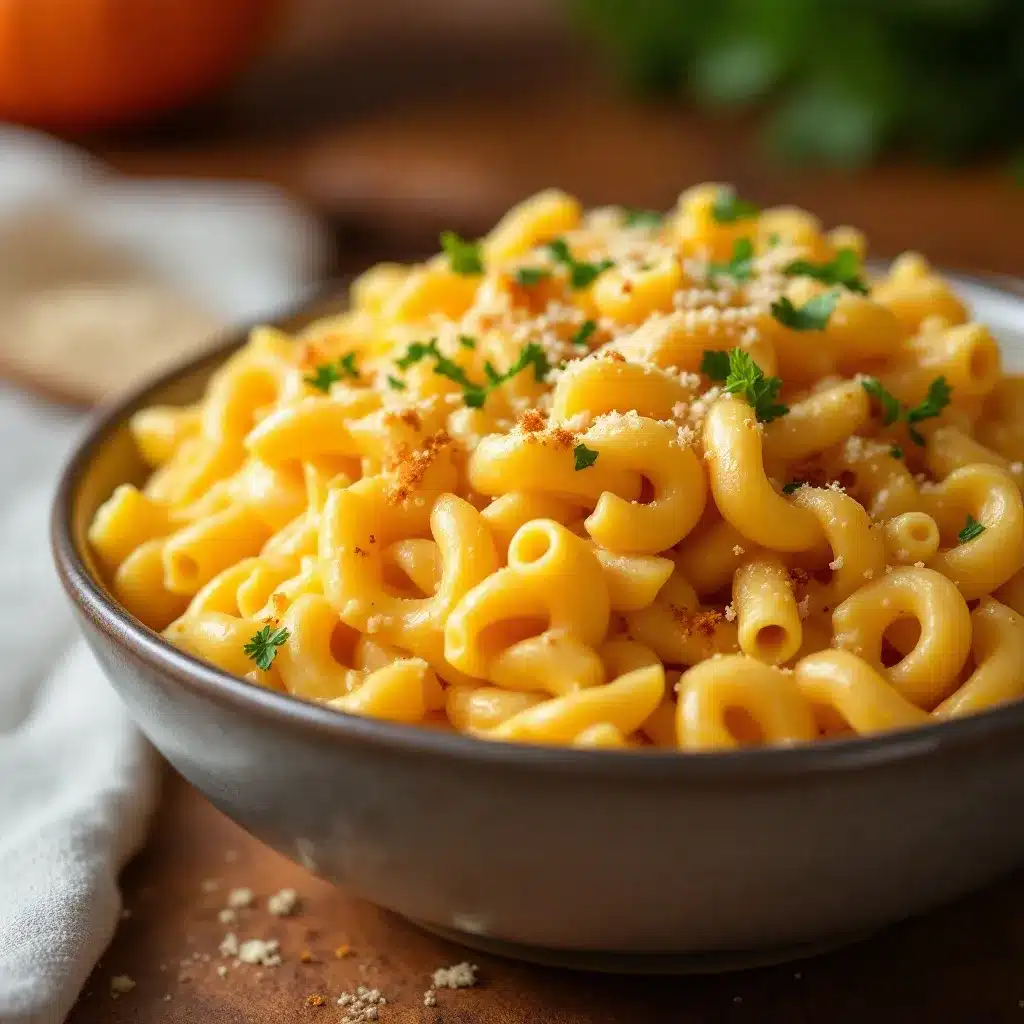
- Preheat and Prep: Start by preheating your oven to 400°F (200°C). Line your baking sheet with parchment paper for easy cleanup. Peel the butternut squash and cut it into 1-inch cubes. Try to keep them uniform so they cook evenly. Toss the squash cubes with olive oil, salt, and pepper on the baking sheet. Roast for 20-25 minutes until tender and slightly caramelized at the edges. While the squash roasts, bring a large pot of salted water to a boil for the pasta.
- Soak the Cashews: While the squash is in the oven, place the cashews in a bowl and cover them with hot water. Let them soak for at least 15 minutes. If you have time, soak them in cold water for a few hours, but hot water works in a pinch. This softens them, ensuring a smooth sauce. Drain and rinse them before blending.
- Blend the Sauce: In your blender, combine the drained cashews, roasted squash, vegetable broth, nutritional yeast, lemon juice, onion, garlic, smoked paprika, garlic powder, onion powder, and nutmeg. Blend on high for 1-2 minutes until completely smooth. You may need to stop and scrape down the sides. Taste the sauce and adjust seasoning. Add more salt if needed, or a splash more lemon juice if it tastes too heavy. The sauce should be thick but pourable. If it’s too thick, add a tablespoon of water at a time.
- Cook the Pasta: Add the pasta to the boiling water. Cook according to package directions, usually about 8-10 minutes for al dente. Reserve one cup of the starchy pasta water before draining. This liquid is gold for thinning the sauce and helping it cling to the noodles. Drain the pasta and set aside.
- Combine: Return the pasta to the pot or a large serving bowl. Pour the warm butternut squash sauce over the pasta. Toss gently to coat every noodle. If the sauce seems too thick, add the reserved pasta water a little at a time until you reach your desired consistency. The heat from the pasta will help thin the sauce slightly.
- Optional Topping: For extra crunch, mix breadcrumbs with a little olive oil and garlic powder in a small pan. Toast over medium heat for 2-3 minutes until golden. Sprinkle this over the mac and cheese just before serving. This step is optional but highly recommended for texture contrast.
- Serve: Serve immediately while hot. Garnish with fresh parsley or cracked black pepper if you like. Enjoy!
Cooking Tips & Techniques
Getting that sauce perfectly smooth is the biggest challenge, so let me share a trick I learned the hard way. If your blender isn’t super powerful, don’t just blend and hope for the best. Blend the liquid ingredients first, then add the solids slowly while the blender is running. This helps break down the fibers in the squash and nuts more effectively. I once made a batch that was gritty, and my partner didn’t say anything, but I knew. Never again.
Another common mistake is overcooking the pasta. Since you’re mixing it with a warm sauce, it will continue to cook slightly from the residual heat. Pull the pasta off the heat when it’s just barely al dente. It should still have a little bite to it. If it’s mushy before you even add the sauce, the final dish will be soggy.
Timing is everything here. Have your sauce ready before you drain the pasta. The sauce thickens as it cools, so if you wait too long, you’ll have to add more liquid to thin it out. I usually start the sauce blending while the pasta is in the last minute of cooking. This way, everything comes together at the same time.
For consistency, use a kitchen scale to measure your cashews and squash. Volume measurements can vary wildly depending on how tightly you pack them. One cup of cashews can weigh significantly different amounts, which throws off the ratio of nuts to liquid. A consistent ratio means a consistent sauce every time.
Don’t skip the acid. The lemon juice is small, but it’s vital. It cuts through the richness of the cashews and squash, waking up the flavors. Without it, the sauce can taste flat or overly heavy. A little squeeze goes a long way.
Variations & Adaptations
This recipe is incredibly flexible, so feel free to make it your own. Here are a few variations I’ve tried:
- Spicy Kick: Add a diced jalapeño to the blender with the sauce ingredients. Or, mix in a teaspoon of cayenne pepper or red pepper flakes. This pairs beautifully with the sweetness of the squash.
- Green Mac: Swap half the squash for steamed broccoli or spinach. Blend it all together for a vibrant green sauce. It’s a great way to sneak in more veggies for picky eaters.
- Protein Boost: Stir in cooked chickpeas or white beans directly into the pasta before adding the sauce. This adds heartiness and makes the meal more filling.
- Gluten-Free: Use your favorite gluten-free pasta. Rice-based or corn-based pastas work well, but be careful not to overcook them as they can break easily.
- Nut-Free: Swap the cashews for silken tofu or soaked white beans. The sauce will be lighter in color and slightly different in texture, but still creamy and delicious.
I once made this with sweet potatoes instead of squash, and it was surprisingly good. The flavor was earthier, but the creaminess was still there. It’s a great option in winter when squash is expensive. You can also add roasted Brussels sprouts for a savory crunch. Just chop them small so they blend well or roast them separately for topping.
Serving & Storage Suggestions
This creamy butternut squash mac and cheese is best served immediately while the sauce is warm and glossy. Pair it with a simple green salad dressed with lemon vinaigrette to cut through the richness. I also love it with some roasted Brussels sprouts or steamed broccoli on the side.
For storage, let the mac and cheese cool to room temperature, then transfer it to an airtight container. It will keep in the refrigerator for up to 4 days. The sauce will thicken in the fridge, which is normal.
To reheat, add a splash of water or vegetable broth to the pasta before warming it. Microwave it in 30-second intervals, stirring in between, until heated through. Alternatively, reheat it in a skillet over low heat, adding a little liquid to loosen the sauce. It reheats surprisingly well, though the texture may be slightly softer than fresh.
Do not freeze this recipe. The cashew sauce tends to separate and become grainy when frozen and thawed. It’s best enjoyed fresh. If you have leftovers, try using them in a frittata or mixed into soup for a thickener. The flavors actually deepen slightly after a day in the fridge, making it great for lunch the next day.
Nutritional Information & Benefits
One of the reasons I love this recipe is that it’s nourishing. Butternut squash is packed with vitamin A, vitamin C, and fiber. Cashews provide healthy fats and protein, making this a balanced meal. Nutritional yeast is a great source of B vitamins, especially B12 if it’s fortified.
This recipe is naturally vegan, gluten-free (if you use GF pasta), and dairy-free. It’s lower in saturated fat than traditional mac and cheese but just as satisfying. For those watching their sodium, using low-sodium broth and controlling the salt in the sauce helps keep it heart-healthy.
I always try to include a vegetable-based meal like this in my weekly rotation. It reminds me that comfort food doesn’t have to be heavy or unhealthy. It can be vibrant, nutrient-dense, and still taste like a treat. It’s a small change that makes a big difference in how I feel after eating.
Conclusion
This creamy butternut squash mac and cheese is more than just a recipe; it’s a reminder that simple ingredients can create something extraordinary. It’s quick, easy, and incredibly delicious. Whether you’re vegan, dairy-free, or just looking for a new twist on a classic, this dish is worth trying. I hope it becomes a staple in your kitchen too.
Feel free to customize it with your favorite spices or veggies. I’d love to hear how you make it your own. Leave a comment below with your variations or questions. Share this recipe with friends who need some comfort food in their lives. And if you make it, tag me on social media so I can see your creations. Happy cooking!
Frequently Asked Questions
Can I use fresh butternut squash instead of pre-cut?
Yes, absolutely. Just peel it, remove the seeds, and cube it yourself. It’s actually cheaper and often fresher. Just be prepared for a bit of a mess with the peeling.
What if I don’t have cashews?
You can use raw sunflower seeds, soaked white beans, or silken tofu. The flavor will be slightly different, but the texture will still be creamy. Cashews are just my personal favorite for their neutral taste.
Can I make this ahead of time?
You can prep the sauce and roast the squash ahead of time. Store them separately in the fridge. When you’re ready to eat, blend the sauce again (it may need a splash of water), cook the pasta, and combine. It saves time on busy nights.
Is this recipe kid-friendly?
Yes! Kids usually love it because it’s sweet and creamy. The orange color is fun, and the taste is mild. It’s a great way to introduce them to vegetables without them even realizing it.
Can I add meat to this?
While this is a vegan recipe, you can certainly add cooked bacon bits, chicken, or sausage if you eat meat. It pairs well with the sweetness of the squash. Just add it in at the end when combining the pasta and sauce.
Pin This Recipe!
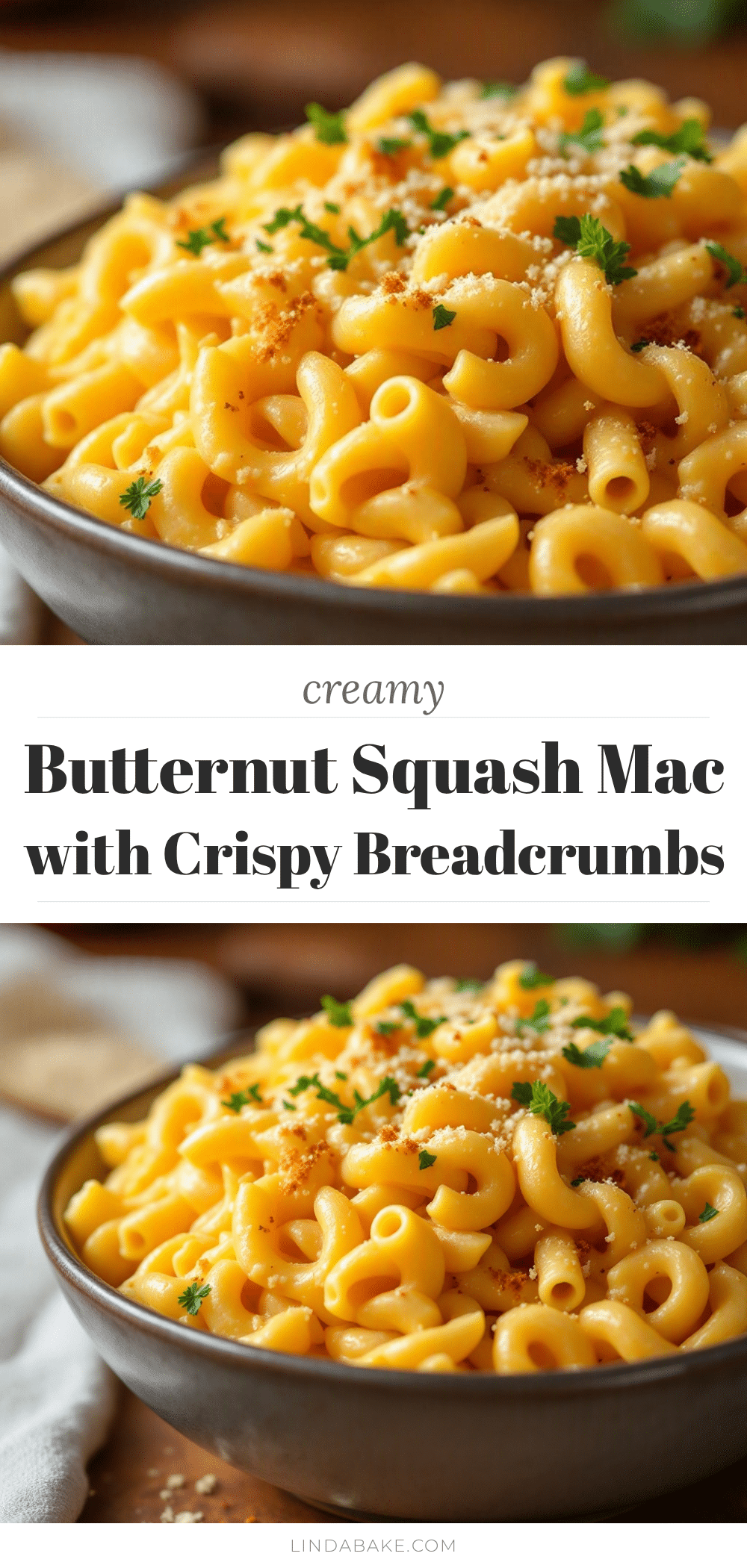
Creamy Butternut Squash Mac and Cheese: Easy 30-Minute Vegan

A comforting, plant-based twist on classic mac and cheese featuring a velvety sauce made from roasted butternut squash and cashews. This quick and easy recipe delivers rich, cheesy flavor without dairy, perfect for cozy weeknights.
- Prep Time: 15 minutes
- Cook Time: 20 minutes
- Total Time: 35 minutes
- Yield: 4 servings 1x
- Category: Main Course
- Cuisine: American
Ingredients
- 1 medium butternut squash, peeled and cubed
- 2 tablespoons extra virgin olive oil (for roasting)
- 3–4 garlic cloves, peeled
- 1 cup low-sodium vegetable broth
- 1/2 cup raw cashews, soaked
- 3 tablespoons nutritional yeast
- 1 tablespoon fresh lemon juice
- 1 small yellow onion, roughly chopped
- 1 teaspoon smoked paprika
- 1/2 teaspoon garlic powder
- 1/2 teaspoon onion powder
- Pinch of nutmeg
- Sea salt and black pepper to taste
- 1 pound macaroni or shell pasta
- Optional: 1 cup Brussels sprouts or broccoli, chopped
- Optional: 1/2 cup breadcrumbs for topping
Instructions
- Preheat oven to 400°F (200°C). Line a large baking sheet with parchment paper.
- Toss squash cubes with olive oil, salt, and pepper. Roast for 20-25 minutes until tender and caramelized.
- While squash roasts, soak cashews in hot water for at least 15 minutes, then drain and rinse.
- Bring a large pot of salted water to a boil for the pasta.
- In a high-speed blender, combine drained cashews, roasted squash, vegetable broth, nutritional yeast, lemon juice, onion, garlic, smoked paprika, garlic powder, onion powder, and nutmeg. Blend until completely smooth.
- Cook pasta in boiling water according to package directions until al dente. Reserve 1 cup of starchy pasta water before draining.
- Return pasta to the pot and pour the warm sauce over it. Toss to coat, adding reserved pasta water as needed to reach desired consistency.
- Optional: Toast breadcrumbs with olive oil and garlic powder in a skillet until golden. Sprinkle over mac and cheese before serving.
- Serve immediately, garnished with fresh parsley or cracked black pepper if desired.
Notes
For the smoothest sauce, blend liquid ingredients first, then add solids slowly. Do not overcook the pasta as it will continue to cook from residual heat. The sauce thickens as it cools, so have it ready before draining the pasta. Do not freeze this recipe as the cashew sauce may separate.
Nutrition
- Serving Size: 1 serving
- Calories: 450
- Sugar: 12
- Sodium: 400
- Fat: 18
- Saturated Fat: 3
- Carbohydrates: 60
- Fiber: 8
- Protein: 15
Keywords: vegan mac and cheese, butternut squash recipe, dairy-free comfort food, cashew cream sauce, easy weeknight dinner, gluten-free option