I was standing in the produce aisle last October, holding a small, golden squash that looked suspiciously like a baby pumpkin. My sister, who has the culinary intuition of a seasoned chef but the patience of a toddler, leaned over my shoulder. She squinted at the label. Her voice was half-amused, half-skeptical.
That was the moment the whole evening shifted. We ended up buying three of them, mostly because I was tired of explaining to her that honeynut squash isn’t just a fancy pumpkin with a marketing budget. It’s smaller, sweeter, and honestly, so much easier to deal with.
That night, we didn’t have a plan. We just had a kitchen, a dull knife (my bad), and a desire to use up the vegetables before they went bad. I roasted them until they were soft enough to squeeze. Then I blended them with cream, butter, and a handful of crispy sage leaves I’d fried in the same pan. The smell filled the house, heavy and earthy and warm.
We sat on the floor of my kitchen, eating straight from the pot because we forgot the bowls. It wasn’t elegant. It wasn’t Instagram-ready. But it was perfect. That’s the thing about honeynut squash soup—it doesn’t try to be anything other than comfort.
I’ve made it a dozen times since then. Sometimes I add apple. Sometimes I skip the cream. But that first bowl, eaten with my sister on the linoleum, stuck with me. It’s the kind of recipe that feels like a hug on a cold day. If you’re looking for something that tastes like autumn in a bowl, this is it. No fuss, just flavor.
Why You’ll Love This Recipe
Let’s be honest for a second. Most squash soups are fine. They’re good, sure. But they often lack that punchy sweetness that makes you want to close your eyes and sigh. Honeynut squash is different. It’s a cross between a butternut squash and a delicata squash, which gives it a nutty, honey-like flavor that doesn’t need much help.
Here is why this specific version of Cozy Honeynut Squash Soup with Crispy Sage works so well:
- Quick & Easy: You can have this on the table in under 45 minutes. The roasting takes the bulk of the time, but you’re mostly just chopping and waiting. It’s perfect for those weeknights when you’re tired but still want to eat something that feels special.
- Simple Ingredients: You likely have most of this in your pantry. Olive oil, onions, garlic, broth, cream, and sage. No obscure spices you’ll only use once a year. It’s straightforward cooking at its best.
- Perfect for Cold Evenings: This isn’t just lunch. It’s dinner when the wind is howling outside. It’s the kind of meal that makes your house smell amazing while you eat it. It pairs beautifully with a crusty piece of bread.
- Crowd-Pleaser: Even the pickiest eaters usually love this. The sweetness from the squash masks the earthiness of the sage, and the cream makes it silky smooth. It’s a win-win for kids and adults.
- Unbelievably Delicious: The texture is key here. By roasting the squash instead of boiling it, you concentrate the flavors. The result is a soup that is rich and velvety without feeling heavy or cloying.
What makes this recipe stand out from the rest is the crispy sage garnish. So many people skip the garnish or just throw on a dry leaf. Frying fresh sage in butter adds a salty, crunchy contrast that elevates the entire dish. It turns a simple puree into a restaurant-quality meal. I tested this method against boiling the squash first, and the roasted version always wins. The flavor is deeper, nuttier, and just more satisfying.
It’s also a great way to use up leftover herbs. If you have a bunch of sage wilting in your fridge, this is the rescue mission it needs. Plus, it’s naturally gluten-free and can be made dairy-free if you swap the cream for coconut milk. It’s versatile, forgiving, and always delivers.
What Ingredients You Will Need
This recipe relies on a few high-quality, simple ingredients to deliver bold flavor. Because there isn’t much going on, each component matters. You want fresh produce and good fats. Here is what you need to gather.
- Honeynut Squash: About 2 to 3 medium squashes, peeled and cubed. This is the star. If you can’t find honeynut, butternut squash works, but honeynut is sweeter and easier to peel. Look for squashes that feel heavy for their size.
- Unsalted Butter: 2 tablespoons. You’ll use half for roasting and half for frying the sage. Good quality butter makes a noticeable difference in the final taste.
- Extra Virgin Olive Oil: 2 tablespoons. Use this for roasting the squash. It adds a fruity note that complements the sweetness.
- Yellow Onion: 1 large onion, finely diced. This provides the savory base. Don’t rush the cooking of the onions; let them get translucent.
- Garlic: 3 cloves, minced. Fresh garlic is non-negotiable here. Jarred garlic can taste metallic and overpower the delicate squash flavor.
- Vegetable or Chicken Broth: 4 cups. Use a low-sodium version so you can control the salt level. I prefer Imagine Brands vegetable broth for its clean taste.
- Heavy Cream: ½ cup. This adds richness and smoothness. For a lighter version, you can use half-and-half, but the soup won’t be as luxuriously creamy.
- Fresh Sage Leaves: 10-12 large leaves. Fresh is best. Dried sage is too dusty and won’t get crispy in the same way. Look for vibrant green leaves without spots.
- Salt and Black Pepper: To taste. Kosher salt is easier to distribute evenly than table salt.
- Nutmeg: A pinch. Just a tiny bit. It enhances the warmth of the squash without making it taste like dessert.
If you need substitutions, you can use acorn squash, though it’s less sweet. For the cream, coconut cream works well for a vegan version, though it will add a coconut flavor. The sage is the hardest to swap, but thyme or rosemary can work in a pinch, though they change the flavor profile significantly.
Equipment Needed
You don’t need a fancy kitchen to make this soup. Here is what you’ll need:
- Rimmed Baking Sheet: A large sheet pan for roasting the squash. Make sure it’s lined with parchment paper for easy cleanup.
- Chef’s Knife: A sharp knife is essential for peeling and cubing the squash. A dull knife is dangerous and frustrating.
- Large Pot or Dutch Oven: Something with a thick bottom to prevent scorching. A 6-quart pot is ideal.
- Immersion Blender or Standard Blender: An immersion blender is easier because you can puree right in the pot. If using a standard blender, let the soup cool slightly and blend in batches.
- Small Skillet: For frying the sage leaves in butter.
I’ve used both methods and prefer the immersion blender for speed. If you use a standard blender, be careful with hot liquids. Always vent the lid and hold it down with a towel. It’s a common mistake to let steam blow the lid off, and it makes a mess.
Preparation Method

Follow these steps to create your cozy squash soup.
- Preheat and Prep: Preheat your oven to 400°F (200°C). Line a baking sheet with parchment paper. This takes about 10 minutes.
- Peel and Cube the Squash: Peel the honeynut squash. It’s softer than butternut, so it’s easier to handle. Cut it in half, scoop out the seeds, and cube the flesh into 1-inch pieces. Try to keep them uniform so they roast evenly.
- Rose the Squash: Toss the cubes with 2 tablespoons of olive oil, salt, and pepper. Spread them in a single layer on the baking sheet. Roast for 25-30 minutes until tender and slightly caramelized at the edges. This step builds flavor.
- Sauté Aromatics: While the squash roasts, melt 1 tablespoon of butter in your large pot over medium heat. Add the diced onion and cook for 5-7 minutes until soft and translucent. Add the garlic and cook for another minute until fragrant. Don’t let the garlic brown.
- Combine and Simmer: Add the roasted squash (and any juices from the pan) to the pot. Pour in the broth. Bring to a boil, then reduce heat and simmer for 10 minutes. This helps the flavors meld.
- Puree: Remove from heat. Use an immersion blender to puree the soup until smooth. If using a standard blender, let it cool for 5 minutes, then blend in batches. Return to the pot.
- Add Cream: Stir in the heavy cream and a pinch of nutmeg. Heat gently for 2-3 minutes. Do not boil after adding cream, or it might split.
- Fry the Sage: In a small skillet, melt the remaining 1 tablespoon of butter over medium heat. Add the sage leaves. Fry for 30-60 seconds until crispy and dark green. Remove with a slotted spoon and drain on paper towels.
- Serve: Ladle the soup into bowls. Top with the crispy sage leaves and a drizzle of olive oil if desired.
Total time is about 45 minutes. The roasting is the longest part, but it’s mostly hands-off.
Cooking Tips & Techniques
Here are some tips to ensure your soup turns out perfectly every time.
Don’t Skip the Roasting: You can boil the squash, but roasting concentrates the sugars. It adds a depth of flavor that boiling just can’t match. It’s worth the extra 30 minutes.
Watch the Sage: Sage burns quickly. Once it starts sizzling, it’s almost done. Keep a close eye on the pan. If it turns black, it will taste bitter. You want it dark green and crisp.
Balance the Salt: Squash can be bland if not seasoned well. Taste your soup after adding the cream. It should taste slightly salty on its own. If it tastes flat, add more salt. Acid (like a splash of lemon juice) can also brighten it up if it feels too heavy.
Texture Check: If the soup is too thick, add more broth. If it’s too thin, simmer it longer. The ideal consistency is like heavy cream, coating the back of a spoon.
My Biggest Fail: Once, I added the cream while the pot was still boiling hard. The soup separated and looked grainy. Lesson learned: always remove from heat or turn to low before adding dairy. It saves the dish.
Variations & Adaptations
This recipe is a great canvas for customization.
Apple Variation: Add one chopped apple (like Honeycrisp or Fuji) when you sauté the onions. The apple adds a tartness that cuts through the richness. This is my favorite twist.
Spicy Kick: Add a pinch of cayenne pepper or red pepper flakes when you add the garlic. It adds a warm heat that pairs well with the sweet squash.
Vegan Option: Swap the butter for olive oil or vegan butter. Use coconut cream instead of dairy cream. The soup will be richer and have a slight coconut flavor, which works surprisingly well.
Gluten-Free: This recipe is naturally gluten-free. Just ensure your broth is certified gluten-free if you have celiac disease.
Herb Swap: If you don’t like sage, try frying fresh thyme leaves. They are smaller and cook faster, so watch them closely. Rosemary is too woody for frying, so stick to soft herbs.
Serving & Storage Suggestions
Serve this soup hot, straight from the pot. It pairs beautifully with crusty sourdough bread or a simple green salad with a vinaigrette. I also like it with a sandwich, especially something like creamy chicken salad wraps for a light lunch option, though the soup is hearty enough on its own.
Storage: Let the soup cool completely. Store it in an airtight container in the refrigerator for up to 4 days. The flavors actually improve after a day or two as they meld.
Freezing: You can freeze this soup, but the texture may change slightly due to the cream. It’s best consumed fresh. If you must freeze, leave out the cream and add it fresh when reheating. Freeze for up to 3 months.
Reheating: Reheat gently on the stovetop over low heat. Stir frequently to prevent sticking. If the soup has thickened in the fridge, add a splash of broth or water to thin it out.
Nutritional Information & Benefits
This soup is not just tasty; it’s nutritious. Honeynut squash is packed with Vitamin A, which is great for eye health and immune function. It’s also high in fiber, which aids digestion.
Each serving contains approximately 250 calories. The fat comes primarily from the butter and cream, which provide satiety. The carbohydrates are complex, coming from the squash and onions, providing steady energy.
It is naturally gluten-free and dairy-free if you make the substitutions mentioned above. For those watching sodium, using low-sodium broth helps keep the total sodium content in check. It’s a wholesome meal that feels indulgent but supports your health goals.
Conclusion
This Cozy Honeynut Squash Soup with Crispy Sage is more than just a recipe. It’s a reminder that simple ingredients can create something extraordinary. It’s easy to make, forgiving if you’re tired, and always delicious.
I hope you try it this season. Feel free to add your own twists, like the apple or the spice. Cooking is about making it your own. If you make this, I’d love to hear how it turned out. Leave a comment below with your variations or just tell me how much you loved it.
Share this recipe with a friend who needs a cozy meal idea. And don’t forget to save it for your next autumn dinner. Enjoy every spoonful.
Frequently Asked Questions
Can I use butternut squash instead of honeynut?
Yes, you can. Butternut squash is larger and less sweet, so you might want to add a pinch of brown sugar or a chopped apple to boost the sweetness. It will still be delicious.
How do I peel honeynut squash easily?
Honeynut squash has a softer skin than butternut. You can use a vegetable peeler for most of it. For the stubborn parts, a sharp chef’s knife works best. Always cut on a stable surface.
Can I make this soup ahead of time?
Absolutely. In fact, it often tastes better the next day. Store it in the fridge and reheat gently when you’re ready to eat.
Is this soup spicy?
No, it is not spicy by default. It is sweet and savory. You can add cayenne or red pepper flakes if you want heat, but it’s optional.
What bread goes best with this soup?
Crusty sourdough, focaccia, or a simple baguette are great choices. The crunch of the bread contrasts nicely with the smooth soup.
Pin This Recipe!
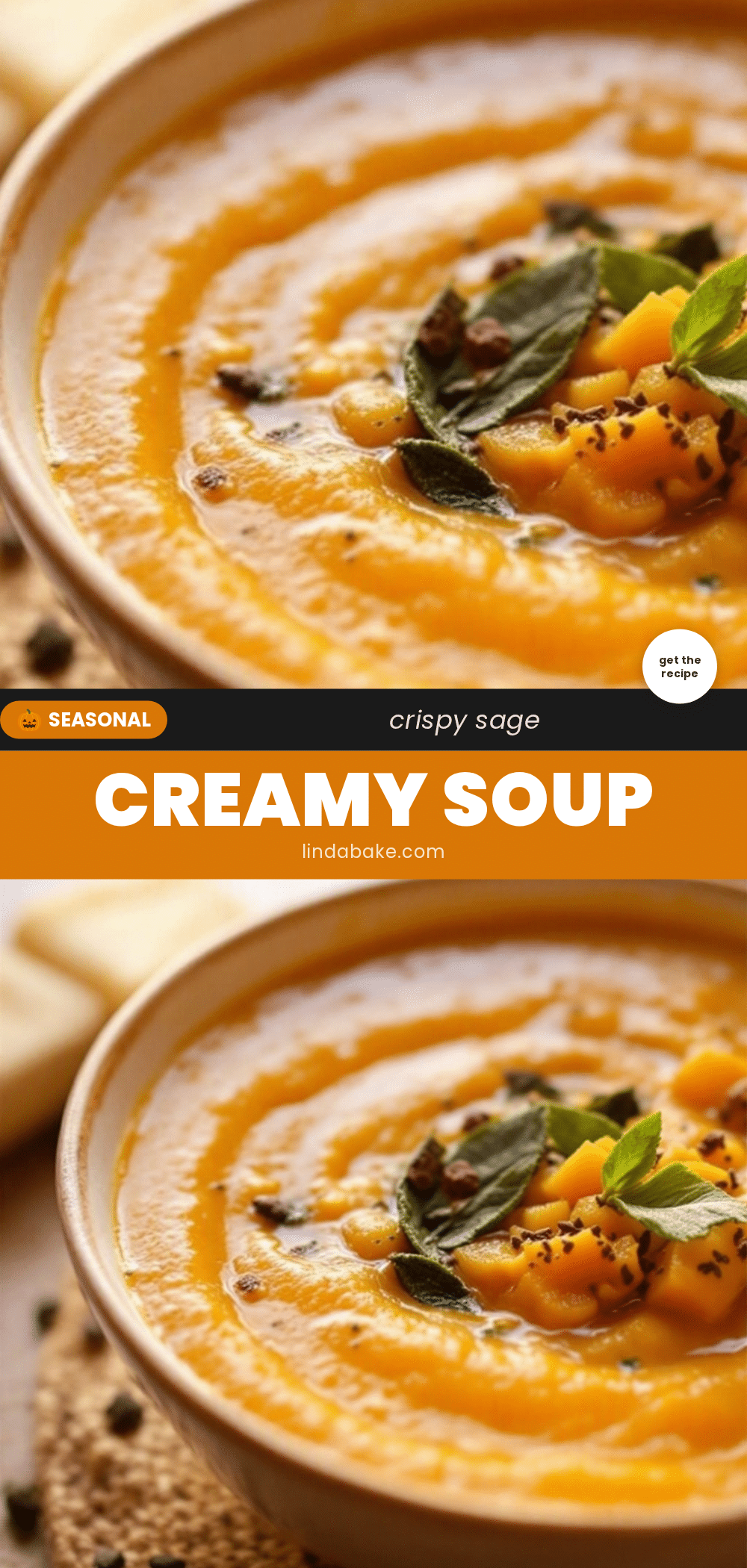
Cozy Honeynut Squash Soup with Crispy Sage

A rich, velvety soup made from roasted honeynut squash, finished with creamy broth and topped with crispy fried sage leaves for a perfect autumn comfort meal.
- Prep Time: 15 minutes
- Cook Time: 30 minutes
- Total Time: 45 minutes
- Yield: 4 servings 1x
- Category: Main Course
- Cuisine: American
Ingredients
- 2–3 medium honeynut squash, peeled and cubed
- 2 tablespoons unsalted butter (divided)
- 2 tablespoons extra virgin olive oil (divided)
- 1 large yellow onion, finely diced
- 3 cloves garlic, minced
- 4 cups vegetable or chicken broth (low-sodium)
- 1/2 cup heavy cream
- 10–12 large fresh sage leaves
- Salt and black pepper to taste
- A pinch of nutmeg
Instructions
- Preheat oven to 400°F (200°C). Line a baking sheet with parchment paper.
- Peel the squash, remove seeds, and cube into 1-inch pieces. Toss with 2 tablespoons olive oil, salt, and pepper. Spread in a single layer and roast for 25-30 minutes until tender and caramelized.
- While squash roasts, melt 1 tablespoon butter in a large pot over medium heat. Add diced onion and cook for 5-7 minutes until translucent. Add garlic and cook for 1 minute until fragrant.
- Add roasted squash and pan juices to the pot. Pour in broth, bring to a boil, then reduce heat and simmer for 10 minutes.
- Remove from heat and puree soup until smooth using an immersion blender or standard blender.
- Stir in heavy cream and nutmeg. Heat gently for 2-3 minutes without boiling.
- In a small skillet, melt remaining 1 tablespoon butter over medium heat. Fry sage leaves for 30-60 seconds until crispy and dark green. Drain on paper towels.
- Ladle soup into bowls and top with crispy sage leaves.
Notes
Roasting the squash concentrates the flavor compared to boiling. Watch the sage closely as it burns quickly. If the soup is too thick, add more broth; if too thin, simmer longer. For a vegan version, swap butter for olive oil/vegan butter and cream for coconut cream.
Nutrition
- Serving Size: 1 bowl
- Calories: 250
- Sugar: 8
- Sodium: 600
- Fat: 18
- Saturated Fat: 10
- Carbohydrates: 22
- Fiber: 4
- Protein: 4
Keywords: honeynut squash soup, creamy squash soup, crispy sage, autumn recipes, vegetarian soup, gluten-free soup, comfort food, easy dinner