I did not trust maple syrup to save a roasted vegetable. Honestly, I thought pouring that sticky, sweet amber liquid over a raw, orange squash sounded like a mistake until I tasted it. My husband had been nagging me about it for weeks. He kept talking about how maple syrup caramelizes differently than sugar. He said it adds a depth that white sugar just can’t touch. I rolled my eyes every single time he mentioned it. I’ve roasted enough squash to know that it gets soft and sweet on its own. Why add more sugar? Why complicate things?
Then came that rainy Tuesday in November. The kind of day where the house feels cold and the kitchen needs warmth. I was tired. I didn’t want to do anything fancy. I just wanted dinner to be easy and comforting. So, I grabbed a butternut squash and that bottle of maple syrup we bought for pancakes. I didn’t measure anything. I just poured a generous amount over the cubes. I tossed them with some olive oil and salt. I put them in the oven and forgot about them for a while.
When the timer went off, the smell hit me first. It wasn’t just the smell of roasted squash. It smelled like a bakery. It smelled like autumn. I pulled the tray out and saw the edges were dark and crisp. The syrup had reduced into this glossy, sticky glaze. I picked up a piece with my fork. It was warm and heavy with flavor. I took a bite and stopped chewing.
The sweetness wasn’t cloying. It was rich and earthy. The maple flavor clung to every bite. It tasted like it had been simmering for hours, not roasted for forty minutes. I looked at my husband. He was watching me closely. I didn’t say anything at first. I just took another bite. Then I handed him the fork. He smiled. That was the moment I changed my mind. Now, I actually seek this out when the weather turns cold.
Why You’ll Love This Creamy Maple Roasted Butternut Squash with Pecans
You might wonder why this recipe keeps showing up in my rotation when there are so many other ways to cook squash. The answer is simple. It balances texture and flavor in a way that feels luxurious but takes almost no effort. This isn’t just boiled or steamed vegetables. It is a side dish that stands on its own. The combination of the creamy squash, the sweet maple glaze, and the crunchy pecans creates a sensory experience that is hard to beat.
Here is why this recipe works so well for home cooks:
- Quick & Easy: You get this on the table in under 45 minutes. That includes prepping the squash and roasting time. It is perfect for busy weeknights when you want something better than takeout but don’t have hours to cook.
- Simple Ingredients: No fancy grocery trips needed. You likely already have squash, pecans, and maple syrup in your pantry or fridge. It uses pantry staples to deliver bold flavor without the fuss.
- Perfect for Autumn: Great for holiday dinners, cozy weeknight meals, or Thanksgiving sides. It captures the essence of fall in every bite.
- Crowd-Pleaser: Always gets rave reviews from kids and adults alike. Even picky eaters who usually avoid vegetables will ask for seconds because of the maple glaze.
- Unbelievably Delicious: The texture and flavor combo is next-level comfort food. The creaminess of the squash contrasts perfectly with the crunch of the nuts.
What makes this recipe different from the rest is the technique. Most people boil or steam their squash. That makes it watery and bland. Roasting it at a high temperature drives out the moisture. This concentrates the natural sugars. Adding the maple syrup at the right time creates a caramelized crust. It is not just another version of roasted squash. It is my best version. It is the kind that makes you close your eyes after the first bite. It is comfort food reimagined. It is healthier, faster, but with the same soul-soothing satisfaction.
What Ingredients You Will Need
This recipe uses simple, wholesome ingredients to deliver bold flavor and satisfying texture. The key is quality. Since there are only a few components, each one matters. You want a squash that is heavy for its size. You want maple syrup that is real, not fake corn syrup. And you want pecans that are fresh and not rancid. Here is what you will need to make this dish.
- Butternut Squash (2 medium): Choose one that feels heavy for its size. The skin should be hard and free of soft spots. Peel the skin and remove the seeds. Cut into 1-inch cubes. Uniform pieces ensure even cooking.
- Maple Syrup (1/4 cup): Use real maple syrup, not pancake syrup. Grade A or Grade B both work. Grade B is darker and has a stronger flavor. I recommend Woodchuck Hill or Log Cabin Real for best texture. It adds richness and that signature caramel note.
- Extra Virgin Olive Oil (2 tablespoons): This helps the squash roast and prevents sticking. It adds a fruity undertone that balances the sweetness. Use a good quality oil if you have it.
- Unsalted Butter (2 tablespoons): Added at the end for richness. It helps the glaze cling to the squash. Salted butter works too, but reduce the added salt.
- Pecans (1/2 cup, chopped): Toasting them first brings out their natural oils. Use raw pecans for best control. Look for firm, small-curd pecans for best texture. Chop them roughly. Don’t make them too small.
- Salt and Black Pepper: Kosher salt is best for seasoning. Use freshly cracked black pepper for a bit of heat. The salt is crucial to balance the sweet maple syrup.
- Cinnamon (1/2 teaspoon): Optional but recommended. It adds warmth. A pinch of nutmeg also works well if you have it.
- Red Pepper Flakes (1/4 teaspoon): A tiny pinch adds a subtle kick. It keeps the dish from being too sweet. It is a secret weapon for depth.
For substitution guidance, you can use pumpkin or acorn squash if you prefer. They have a similar texture but may cook slightly faster. Use almond flour for a gluten-free option if you are adding a topping, though this recipe is naturally gluten-free. Swap Greek yogurt with dairy-free coconut yogurt if needed, though this recipe is dairy-light. In summer, swap in fresh berries instead of frozen, but for this dish, stick with squash for the best results.
Equipment Needed
You do not need a lot of fancy gear for this recipe. Standard kitchen tools are all you need. The most important item is a large baking sheet. Use a rimmed sheet pan so the maple syrup doesn’t drip onto the oven floor. A heavy-duty sheet pan works best because it distributes heat evenly. I use a Webber or Williams Sonoma sheet pan. It lasts for years.
You will also need a sharp chef’s knife and a sturdy cutting board. Cutting butternut squash can be tricky. Use a large, stable board. A Martin Board is great because it is thick and doesn’t slide. Be careful with your fingers. The squash is hard. Use a vegetable peeler to remove the skin. A standard Y-peeler works well.
A large mixing bowl is needed for tossing the squash. Use something wide so the squash spreads out in a single layer. If you crowd the pan, the squash steams instead of roasts. That ruins the texture. You want caramelization.
A small saucepan or microwave-safe bowl is useful for warming the maple syrup and butter. Warm syrup mixes easier with the oil. It coats the squash better. If you use cold syrup, it clumps up.
For the pecans, a small dry skillet is perfect for toasting. Watch them closely. They burn fast. A wooden spoon helps you stir them evenly.
If you don’t have a sheet pan, use a roasting pan. Just make sure it is large enough. Budget-friendly options include generic aluminum sheet pans. They work fine. Just line them with parchment paper for easy cleanup. The maple syrup will stick if you don’t. Parchment paper is a lifesaver.
Preparation Method
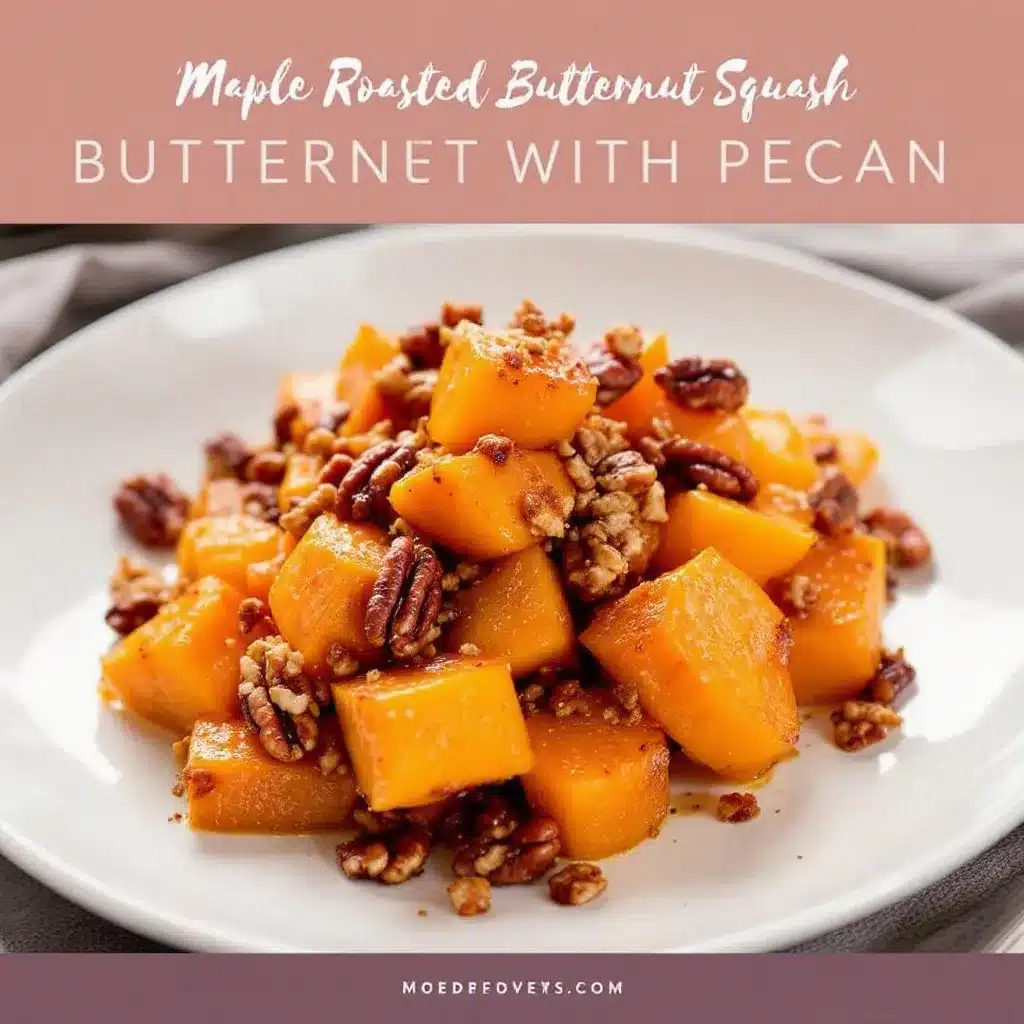
Preparing this dish is straightforward. The key is to get the squash pieces uniform and the oven hot. Here is how to do it step by step.
- Preheat the Oven: Set your oven to 400°F (200°C). Let it fully heat up. This takes about 15 minutes. A hot oven is crucial for roasting. If the oven is cold, the squash will be soggy. Place the rack in the center. This ensures even heat distribution.
- Prepare the Squash: Wash the butternut squash. Cut off the top and bottom. Stand it up carefully. Slice off the skin with a peeler or knife. Cut the squash in half. Scoop out the seeds with a spoon. Discard the seeds or roast them separately. Cut the flesh into 1-inch cubes. Try to keep them the same size. Smaller pieces cook faster. Larger pieces take longer. Uniformity is key.
- Toast the Pecans: While the oven heats, toast the pecans. Heat a small skillet over medium heat. Add the pecans. Stir constantly for 3-5 minutes. They will turn golden brown and smell nutty. Watch them closely. They burn in seconds. Remove them from the pan immediately. Let them cool. Chop them roughly. Set aside.
- Mix the Glaze: In a large bowl, combine the olive oil, maple syrup, melted butter, salt, pepper, and cinnamon. Whisk it together until smooth. The mixture should look glossy. If the butter has solidified, warm it slightly. You want a liquid glaze.
- Toss the Squash: Add the squash cubes to the bowl. Toss them well. Every piece needs to be coated. Use your hands if needed. It helps to get into the crevices. Let them sit for 5 minutes. This helps the flavors penetrate the squash.
- Arrange on the Pan: Line a large baking sheet with parchment paper. Spread the squash in a single layer. Do not crowd them. Leave space between the cubes. If they touch, they steam. Crowded squash is mushy squash. Spread them out evenly. This allows air circulation.
- Roast: Place the pan in the preheated oven. Roast for 25-30 minutes. Halfway through, flip the cubes. This ensures even browning. The squash is done when it is tender and has browned edges. Use a fork to test. It should pierce easily. The edges should be caramelized and slightly crisp.
- Finish and Serve: Remove the pan from the oven. Sprinkle the toasted pecans over the hot squash. Toss gently. The heat from the squash will keep the pecans crunchy. Serve immediately. The glaze will thicken as it cools. So serve it while it is warm and glossy.
Watch for common issues. If the edges burn, lower the heat to 375°F (190°C). If the squash is not tender, roast for 5 more minutes. The smell should be sweet and nutty. The texture should be creamy inside and crisp outside.
Cooking Tips & Techniques
Getting this recipe right takes a bit of practice. I have made plenty of mistakes along the way. Here are some tips to help you avoid them.
- Don’t Skip the Toasting: Toasting pecans is non-negotiable. Raw pecans taste bland. Toasting releases their oils. It adds a smoky flavor. It makes a huge difference. Do not skip this step.
- Uniform Cuts Matter: If your cubes are different sizes, some will burn while others are raw. Take the time to cut them evenly. It saves frustration later.
- Use Parchment Paper: Maple syrup sticks to metal. It burns and creates a mess. Parchment paper prevents this. It makes cleanup instant. Do not use foil. Foil sticks too.
- High Heat is Key: Roast at 400°F or higher. Lower temperatures steam the squash. You want caramelization. Caramelization adds flavor. It makes the squash sweet and nutty.
- Don’t Crowd the Pan: This is the most common mistake. Crowded squash steams. Steam makes it soggy. Use two pans if needed. Space is essential for crisp edges.
- Season Well: Squash needs more salt than you think. It is a mild vegetable. Salt brings out its flavor. Don’t be shy with the salt. Taste as you go.
- Timing is Everything: Roast for 25-30 minutes. Check at 25 minutes. Overcooking makes it mushy. Undercooking makes it hard. Aim for tender with brown edges.
I once roasted squash at 350°F. It came out watery and bland. I was disappointed. Then I tried 400°F. The difference was night and day. The high heat drives off moisture. It concentrates the flavor. Always preheat your oven. Never start with a cold oven.
Variations & Adaptations
You can tweak this recipe to suit your taste. Here are some ideas.
- Dairy-Free: Skip the butter. Use coconut oil instead. It adds a subtle coconut flavor. It works well with the maple syrup. The dish remains creamy and rich.
- Spicy Kick: Add more red pepper flakes. Or use cayenne pepper. It adds heat. It balances the sweetness. It is great for those who like spice.
- Herb Twist: Add fresh thyme or rosemary. Toss the herbs with the squash before roasting. They add a savory note. It complements the maple well.
- Gluten-Free: This recipe is naturally gluten-free. Just check your maple syrup label. Some brands add wheat starch. Most do not. Stick to pure maple syrup.
- Nut-Free: Skip the pecans. Use sunflower seeds or pumpkin seeds. Toast them the same way. They add crunch. They are a good alternative for schools or allergies.
I have tried adding sage leaves. They crisp up in the oven. They add a savory, earthy flavor. It is a nice variation. I also tried using brown butter instead of regular butter. It adds a nutty depth. It is worth the extra step.
Serving & Storage Suggestions
Serve this dish warm. It is best right out of the oven. The pecans are crunchiest when fresh. Pair it with roast chicken or turkey. It goes well with grilled pork chops. It is a great side for holiday meals.
For storage, let it cool completely. Put it in an airtight container. Refrigerate for up to 3 days. The squash will soften in the fridge. That is normal. To reheat, use an oven or toaster oven. Heat at 350°F for 10 minutes. This restores the crispness. Do not microwave it. Microwaving makes it soggy.
The flavors develop over time. The maple glaze thickens. It becomes more intense. It is still good cold, but warm is better. You can freeze the cooked squash. But the texture changes. It becomes mushy. Freeze only if you plan to blend it into soup later.
Nutritional Information & Benefits
This dish is nutritious and balanced. Butternut squash is high in Vitamin A. It supports eye health. It is also high in Vitamin C. It boosts immunity. It is low in calories. It is a great addition to a healthy diet.
The pecans add healthy fats. They are high in monounsaturated fats. These fats support heart health. They are also high in fiber. Fiber aids digestion. The maple syrup adds natural sugar. It is better than refined sugar. It has antioxidants.
This recipe is gluten-free. It is dairy-free if you skip the butter. It is vegetarian and vegan friendly. It is a wholesome side dish. It fits into many dietary plans. It is a good source of potassium. Potassium supports blood pressure. It is a nutrient-dense food.
Conclusion
This creamy maple roasted butternut squash with pecans is a recipe you will return to. It is simple, delicious, and satisfying. It captures the essence of fall. It is perfect for any time of year. I hope you try it. Customize it to your taste. Add herbs or spices. It is a versatile dish.
I love this recipe because it is comforting. It warms you up. It brings people together. It is a dish that feels special. But it is easy to make. It is a win-win.
Please share your results. Leave a comment below. Tell me how you liked it. Share your variations. I love hearing from you. Pin this recipe to your board. Share it with friends. It is a dish worth spreading. Enjoy every bite.
Frequently Asked Questions
Can I use pumpkin instead of butternut squash?
Yes, you can use pumpkin. Sugar pumpkins work best. They are sweeter and creamier. Cut them into similar-sized cubes. Adjust roasting time slightly. Pumpkin may cook faster. Check for tenderness.
How do I prevent the maple syrup from burning?
Use parchment paper on your baking sheet. It prevents direct contact with the metal. Also, do not overcrowd the pan. Spread the squash out. This allows air circulation. It prevents hot spots. Roast at 400°F. Not higher.
Can I make this recipe ahead of time?
You can prep the squash and toss it with the glaze. Store it in the fridge. Roast it when you are ready. This saves time. The squash may release water. Drain it before roasting. This ensures crisp edges.
Are pecans necessary?
They are not necessary. But they add crunch and flavor. You can skip them if you prefer. Or use another nut. Walnuts or almonds work well. Seeds are a good alternative. They add texture.
How long does this dish last in the fridge?
It lasts 3-4 days in an airtight container. Keep it refrigerated. Reheat in the oven. Do not microwave. The texture changes in the fridge. It becomes softer. Warm it up to restore flavor.
Pin This Recipe!
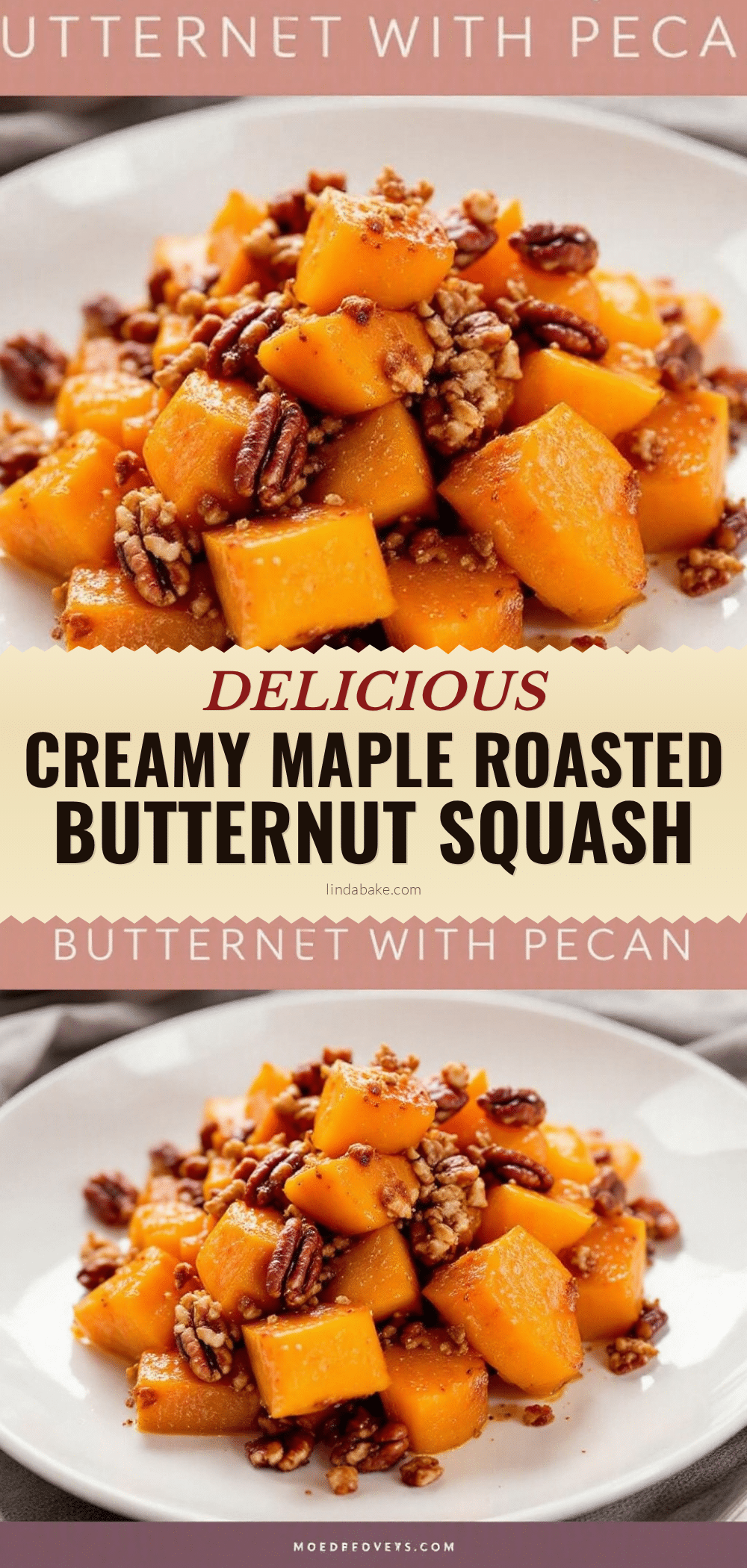
Creamy Maple Roasted Butternut Squash with Pecans
A simple yet luxurious side dish featuring roasted butternut squash cubes coated in a rich maple syrup and butter glaze, finished with toasted pecans for crunch.
- Prep Time: 15 minutes
- Cook Time: 30 minutes
- Total Time: 45 minutes
- Yield: 4 servings 1x
- Category: Side Dish
- Cuisine: American
Ingredients
- 2 medium butternut squash, peeled, seeded, and cut into 1-inch cubes
- 1/4 cup pure maple syrup
- 2 tablespoons extra virgin olive oil
- 2 tablespoons unsalted butter, melted
- 1/2 cup raw pecans, chopped
- 1/2 teaspoon cinnamon
- 1/4 teaspoon red pepper flakes
- Salt and freshly cracked black pepper to taste
Instructions
- Preheat oven to 400°F (200°C) and place the rack in the center.
- Toast pecans in a dry skillet over medium heat for 3-5 minutes until golden and fragrant. Remove, chop roughly, and set aside.
- In a large bowl, whisk together olive oil, maple syrup, melted butter, salt, pepper, and cinnamon to form a glossy glaze.
- Add squash cubes to the bowl and toss until evenly coated. Let sit for 5 minutes.
- Line a large rimmed baking sheet with parchment paper. Spread squash in a single layer, ensuring pieces do not touch.
- Roast for 25-30 minutes, flipping halfway through, until tender with caramelized, crisp edges.
- Remove from oven, sprinkle with toasted pecans, and toss gently. Serve immediately.
Notes
Ensure squash cubes are uniform in size for even cooking. Do not overcrowd the pan to prevent steaming; use two pans if necessary. Toasting the pecans is essential for flavor. Use real maple syrup, not pancake syrup. For dairy-free, substitute butter with coconut oil.
Nutrition
- Serving Size: Approximately 1 cup
- Calories: 280
- Sugar: 20
- Sodium: 150
- Fat: 18
- Saturated Fat: 5
- Carbohydrates: 32
- Fiber: 6
- Protein: 4
Keywords: butternut squash, maple syrup, roasted vegetables, pecans, fall recipes, Thanksgiving side, gluten-free, vegetarian, easy side dish, autumn cooking