Standing in my kitchen at 7:15 on a Tuesday morning, staring at a half-empty jar of sunflower seed butter and a bag of slightly stale bread, when my youngest announced she “absolutely needed” an Uncrustable for lunch. The store-bought ones were gone, and honestly, I was not about to drag two kids to the grocery store before school drop-off. So I grabbed a glass, rummaged through the drawer for something round, and started pressing. That first one came out lopsided and leaking a little, but she ate it without complaint. By Friday, I had made thirty of them, and my freezer was officially a lunch-prep goldmine.
These Easy Copycat Sunbutter Uncrustable Lunchbox Pockets are the kind of thing you make once and then wonder why you ever bought the boxed version. They are cheaper, you control what goes in them, and they taste fresher. Honestly, the texture is better too — the bread stays soft, the sunflower butter stays creamy, and there is no weird jelly separation after thawing. If you have ever watched your kid trade away their lunch, this might change that.
Why You’ll Love This Recipe
I have tested these copycat pockets more times than I care to admit. The first batch came out soggy. The second batch had filling oozing out the sides. But by batch number five? They were perfect. Here is why these are going to become your new lunchbox staple:
- Quick & Easy: You can make a week’s worth in under 15 minutes. No cooking, no complicated steps.
- Simple Ingredients: Just bread, sunflower seed butter, and jelly. That is it. No preservatives, no palm oil, no weird additives.
- Perfect for Lunchboxes: These thaw by lunchtime and stay soft, not soggy. They are the ultimate grab-and-go solution for busy mornings.
- Crowd-Pleaser: My kids, their friends, and even my husband have all raved about these. They disappear fast from the freezer.
- Unbelievably Delicious: The flavor is clean and creamy, without that artificial aftertaste you get from the packaged version. The bread stays pillow-soft, and the filling stays perfectly centered.
What makes these different from every other copycat recipe out there? It is the sealing technique. Most people just press the edges with a fork and hope for the best. I figured out that using a warm glass to crimp the edges creates a seal that actually holds up during freezing and thawing. No leaks. No mess. Just a perfectly sealed pocket every time.
This recipe is the kind that makes you feel like you have hacked the lunch system. It is cheaper, cleaner, and honestly more satisfying than anything in the frozen aisle. And when your kid comes home with an empty lunchbox, you will know exactly why.
What Ingredients You Will Need
This recipe uses simple, everyday ingredients that you probably already have in your kitchen. The beauty of these pockets is that they rely on pantry staples, so there is no special trip to the store required.
- Bread: 8 slices of soft white bread or whole wheat bread. I prefer a soft, squishy sandwich bread because it seals better and stays tender after freezing. Avoid crusty or artisan breads — they crack when pressed.
- Sunflower Seed Butter: ½ cup creamy sunflower seed butter. I recommend SunButter brand for the smoothest texture and cleanest flavor. Natural sunflower butter works, but you may need to stir it well first since the oil separates.
- Jelly or Jam: ¼ cup of your favorite jelly, jam, or preserves. Grape jelly is classic, but strawberry or raspberry work beautifully too. Use a seedless variety for the smoothest texture.
Ingredient Selection Tips: Look for sunflower seed butter that has a smooth, spreadable consistency — not too thick or dry. If your sunflower butter is too stiff, microwave it for 10 seconds to soften it before spreading. For the jelly, avoid anything with large fruit chunks, as they can make the pockets bulge and leak.
Substitution Guidance: You can swap the sunflower seed butter with any nut or seed butter — almond butter, peanut butter, or even tahini work great. For a nut-free school option, sunflower seed butter is your safest bet. Use gluten-free bread if needed, though the seal may be slightly less secure. For a lower-sugar option, use a no-sugar-added jam or even mashed berries.
Equipment Needed
You do not need any fancy equipment for this recipe. In fact, you probably already have everything in your kitchen drawers.
- Round Cookie Cutter or Glass: A 3 to 4-inch round cookie cutter is ideal, but a drinking glass with a thin rim works perfectly. I have used a pint glass for years — it cuts cleanly and seals well.
- Rolling Pin: Optional but helpful for flattening the bread slightly before pressing. A wine bottle works in a pinch.
- Cutting Board: A clean, flat surface for assembling and pressing the pockets.
- Parchment Paper: For wrapping the finished pockets before freezing. Wax paper or plastic wrap also works.
- Freezer-Safe Bag or Container: A gallon-sized zip-top bag or airtight container for storing the pockets in the freezer.
Personal Tip: I used a cheap plastic cookie cutter for years, but it eventually cracked. A metal cutter or a sturdy glass will last forever. If you are on a budget, just use a glass — it cuts and seals in one step.
Preparation Method
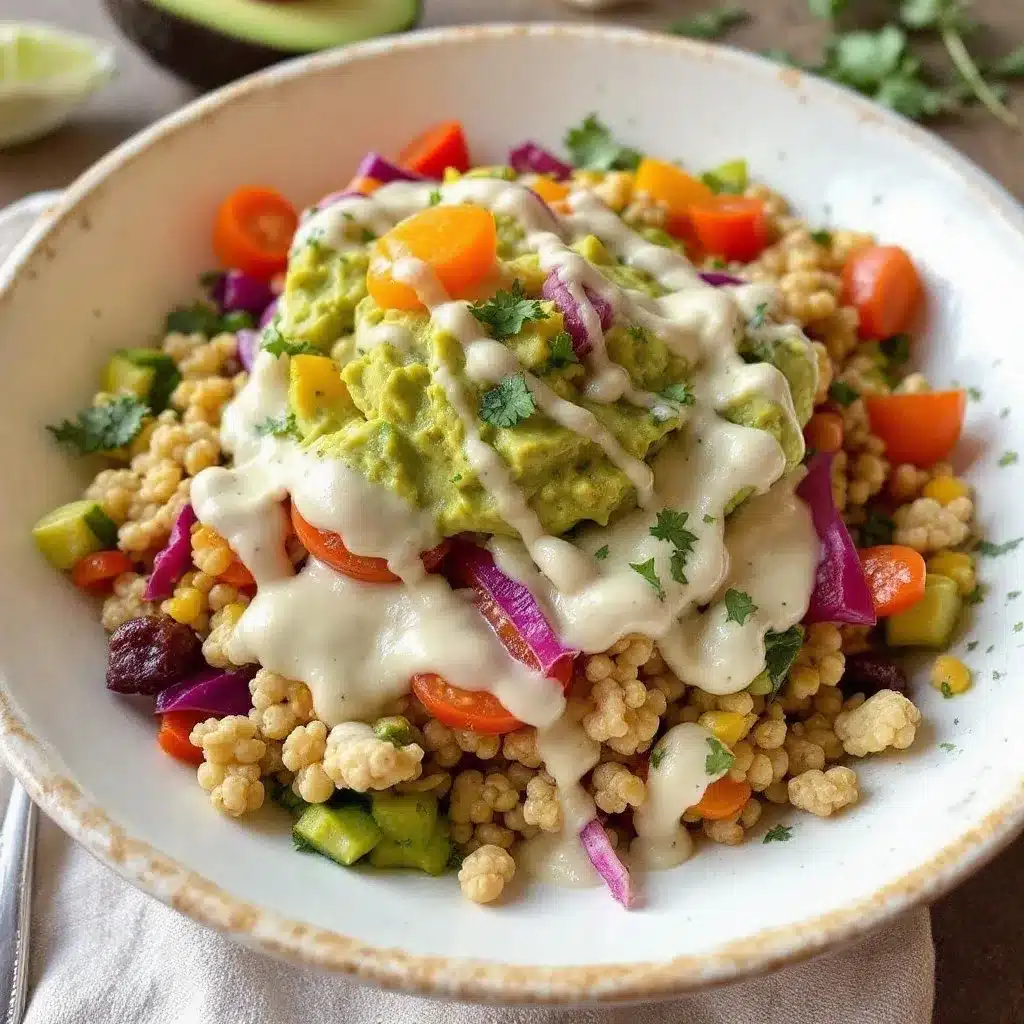
Follow these steps carefully, and you will have perfect copycat Uncrustables every single time. I have included sensory cues and troubleshooting tips so you know exactly what to look for.
- Flatten the bread slightly. Take each slice of bread and gently roll over it with a rolling pin or press it with your palm. You want it to be about ¼ inch thick — thin enough to seal easily but not so thin it tears. The bread should feel slightly compressed but still soft.
- Spread the sunflower seed butter. Place 4 slices of bread on your cutting board. Spread about 1 tablespoon of sunflower seed butter on each slice, leaving a ½-inch border around the edges. Do not spread it all the way to the edge — that is the secret to a clean seal. The sunflower butter should be smooth and even, not piled high in the center.
- Add the jelly. Spoon about ½ tablespoon of jelly on top of the sunflower seed butter on each slice. Spread it gently, keeping it within the same border. Do not overfill — too much jelly will cause the pocket to burst during sealing or thawing.
- Top with remaining bread. Place the remaining 4 slices of bread on top, lining up the edges carefully. Press down gently with your palm to help them stick together.
- Cut and seal. Press your round cookie cutter or glass firmly into the center of each sandwich, making sure to cut through both layers of bread. Twist slightly as you press to create a clean edge. The pressure should seal the bread together around the filling. You should hear a soft squish as the edges fuse — that is the sound of success.
- Check the seal. Gently lift the pocket and inspect the edges. If you see any gaps or openings, press the edges together with your fingers. A good seal is the difference between a pocket that stays intact and one that leaks jelly everywhere.
- Remove the crusts. Peel away the excess bread from around the pocket. Do not throw it away — you can toast it and make breadcrumbs or croutons later.
- Repeat. Continue with the remaining sandwiches until you have 4 perfectly sealed pockets.
Troubleshooting Tip: If your pockets are leaking during assembly, you are probably using too much jelly or spreading it too close to the edge. Use less filling and leave a wider border. If the bread tears when you press, your bread is too dry — try using fresher bread or lightly steaming it for 5 seconds in the microwave.
Cooking Tips & Techniques
I learned most of these the hard way, so you do not have to. Here are my best tips for perfect Uncrustables every time.
Use room-temperature ingredients. Cold sunflower seed butter straight from the fridge is stiff and difficult to spread. It will also tear the bread. Let it sit on the counter for 15 minutes before you start, or microwave it for 10 seconds. The same goes for the jelly — cold jelly is harder to spread evenly.
Press firmly and evenly. When you cut and seal, apply steady, even pressure. Do not rock the cutter back and forth — that creates uneven edges that can open during freezing. A single, firm press straight down gives you the cleanest seal.
Freeze them flat. Place the finished pockets on a parchment-lined baking sheet and freeze them for 1 hour before transferring them to a bag. This prevents them from sticking together. If you skip this step, you will end up with a clump of frozen pockets that are impossible to separate.
Do not overfill. I know it is tempting to pile on the sunflower butter and jelly, but trust me — less is more. Too much filling creates pressure inside the pocket, which causes the seal to burst during freezing or thawing. You want a thin, even layer.
One mistake I made: I once tried using homemade bread that was too dense. It would not seal at all. Stick with soft, squishy sandwich bread for the best results. It is the only bread that compresses properly without cracking.
Variations & Adaptations
Once you master the basic recipe, you can customize these pockets in so many ways. Here are some of my favorite variations.
Nut-Free Chocolate Version: Swap the jelly for chocolate hazelnut spread or a dairy-free chocolate spread. It tastes like a dessert pocket, and kids absolutely love it. Just be careful not to overfill — chocolate spread is thinner than jelly and leaks more easily.
Fruit and Cream Cheese: Spread a thin layer of cream cheese on the bread before adding the jelly. The cream cheese adds a tangy richness that balances the sweetness. Use strawberry or raspberry jam for a classic combo.
Savory Lunchbox Pockets: These are not just for sweet fillings. Try spreading a thin layer of hummus or cream cheese, then adding finely chopped turkey or ham. Seal and freeze the same way. They make a great alternative to sandwiches for older kids.
Seasonal Berry Version: In summer, swap the jelly for fresh mashed berries mixed with a little honey. The berries add a fresh, bright flavor that is different from store-bought jam. Just make sure to mash them well so there are no large chunks.
Dietary Adaptations: For a gluten-free version, use soft gluten-free bread. The seal may be slightly less secure, so press the edges extra firmly. For a lower-sugar option, use no-sugar-added jam or mashed banana instead of jelly.
Serving & Storage Suggestions
These pockets are designed to be made ahead and stored in the freezer, so they are ready whenever you need them.
Serving Temperature: Serve these pockets thawed, not frozen. They will thaw completely in about 2 to 3 hours at room temperature, which is perfect for lunchboxes. If you are serving them at home, you can eat them slightly chilled or at room temperature — both are delicious.
Storage Instructions: Place the frozen pockets in a single layer in a freezer-safe bag or container. They will keep for up to 3 months in the freezer. Label the bag with the date so you know when you made them. To prevent freezer burn, squeeze out as much air as possible before sealing the bag.
Reheating Tips: These pockets are best eaten cold or at room temperature, but you can warm them slightly if you prefer. Microwave them for 10 to 15 seconds on a paper towel — just enough to take the chill off without melting the filling. Do not microwave them for longer, or the bread will become soggy.
Flavor Development: Interestingly, these pockets taste even better after a day or two in the freezer. The flavors meld together, and the bread softens slightly. It is like they were meant to be frozen.
Nutritional Information & Benefits
Here is the estimated nutritional breakdown for one pocket made with white bread, sunflower seed butter, and grape jelly.
- Calories: Approximately 210 calories per pocket
- Protein: 6 grams
- Fat: 9 grams (mostly healthy unsaturated fats from sunflower seeds)
- Carbohydrates: 28 grams
- Fiber: 2 grams
- Sugar: 10 grams (varies based on jelly)
Health Benefits: Sunflower seed butter is rich in vitamin E, magnesium, and healthy fats that support heart health and brain function. It is also nut-free, making it a safe option for school lunchboxes. The whole wheat version adds extra fiber and B vitamins. These pockets are a balanced snack that provides sustained energy without a sugar crash.
Dietary Considerations: This recipe is naturally nut-free, dairy-free, and egg-free. For a gluten-free version, use certified gluten-free bread. For a lower-sugar option, use no-sugar-added jam. Always check labels if you have specific allergen concerns.
Conclusion
These Easy Copycat Sunbutter Uncrustable Lunchbox Pockets are proof that homemade is almost always better than store-bought. They are cheaper, cleaner, and honestly more satisfying to make. Plus, there is something deeply satisfying about pulling a perfectly sealed pocket out of the freezer and knowing you made it yourself.
I love this recipe because it makes my mornings easier and my kids happier. No more last-minute sandwich assembly or frantic trips to the grocery store. Just grab a pocket from the freezer, toss it in a lunchbox, and go. It is that simple.
I would love to hear how these turn out for you. Did you try a different filling? Did your kids love them? Leave a comment below and share your version — I am always looking for new ideas. And if you found this helpful, share it with a friend who also has busy mornings. Happy lunch prepping!
Frequently Asked Questions
Can I use peanut butter instead of sunflower seed butter?
Absolutely. Peanut butter works perfectly in this recipe. Just keep in mind that many schools have nut-free policies, so sunflower seed butter is a safer choice for lunchboxes. If you are making these for home, use whatever nut or seed butter you prefer.
Why do my pockets leak when they thaw?
Leaking usually happens when the seal is not tight enough or the filling is too close to the edge. Make sure you leave a ½-inch border when spreading the filling, and press firmly when cutting and sealing. If the bread tears, your bread may be too dry — try using fresher bread next time.
How long do these last in the freezer?
These pockets stay fresh in the freezer for up to 3 months. After that, the bread may start to dry out or develop freezer burn. For the best texture, use them within 2 months. Label the bag with the date so you know when you made them.
Can I use gluten-free bread?
Yes, but the seal may be less secure. Gluten-free bread is often more crumbly and less flexible than regular bread. To improve the seal, press the edges extra firmly and consider using a slightly smaller cutter. Some gluten-free breads work better than others — soft, squishy varieties tend to seal best.
Do I have to freeze them?
No, you can eat them immediately after making them. They taste great right away, just like a regular sandwich. Freezing them is only necessary if you want to make a batch ahead of time for busy mornings. If you are eating them fresh, you can skip the freezing step entirely.
Pin This Recipe!
Easy Copycat Sunbutter Uncrustables: Best Lunchbox Idea

These Easy Copycat Sunbutter Uncrustable Lunchbox Pockets are cheaper, fresher, and taste better than store-bought. Made with just bread, sunflower seed butter, and jelly, they thaw perfectly by lunchtime and are a busy morning lifesaver.
- Prep Time: 15 minutes
- Cook Time: 0 minutes
- Total Time: 15 minutes
- Yield: 4 servings 1x
- Category: Lunch
- Cuisine: American
Ingredients
- 8 slices soft white bread or whole wheat bread
- ½ cup creamy sunflower seed butter (e.g., SunButter brand)
- ¼ cup jelly, jam, or preserves (grape, strawberry, or raspberry recommended)
Instructions
- Flatten the bread slightly: Take each slice of bread and gently roll over it with a rolling pin or press it with your palm until about ¼ inch thick.
- Spread the sunflower seed butter: Place 4 slices of bread on a cutting board. Spread about 1 tablespoon of sunflower seed butter on each slice, leaving a ½-inch border around the edges.
- Add the jelly: Spoon about ½ tablespoon of jelly on top of the sunflower seed butter on each slice, spreading gently within the same border.
- Top with remaining bread: Place the remaining 4 slices of bread on top, lining up the edges carefully. Press down gently with your palm.
- Cut and seal: Press a round cookie cutter or glass firmly into the center of each sandwich, cutting through both layers. Twist slightly to create a clean edge and seal the bread together.
- Check the seal: Gently lift the pocket and inspect the edges. Press any gaps together with your fingers.
- Remove the crusts: Peel away the excess bread from around the pocket.
- Repeat: Continue with the remaining sandwiches until you have 4 perfectly sealed pockets.
Notes
Use room-temperature sunflower seed butter for easier spreading. Press firmly and evenly when sealing to prevent leaks. Freeze pockets flat on a baking sheet for 1 hour before transferring to a bag to prevent sticking. Do not overfill to avoid bursting during freezing or thawing.
Nutrition
- Serving Size: 1 pocket
- Calories: 210
- Sugar: 10
- Sodium: 200
- Fat: 9
- Saturated Fat: 1
- Carbohydrates: 28
- Fiber: 2
- Protein: 6
Keywords: copycat uncrustables, sunbutter uncrustables, lunchbox pockets, freezer-friendly lunch, nut-free lunch, easy lunch idea, homemade uncrustables